

The needle itself may be less noticeable than the brief muscle response it can trigger. If you’re wondering, “is dry needling painful for the first time?”, it’s understandable to feel unsure about what to expect. Sensations vary: you may notice a small pinch as the needle goes in, followed by a dull ache or a short muscle twitch. You may feel little at the skin, but that doesn’t mean every session will feel comfortable.
You deserve a clear explanation and the chance to speak up. Tell your practitioner if you’re anxious or uncomfortable, and ask for a pause whenever you need one. This guide explains what you might experience during a first session, what soreness afterwards can feel like, and how to prepare and discuss whether dry needling may suit you. It also covers questions to ask about your care, including how dry needling might fit alongside options such as massage therapy or a chiropractic adjustment. The aim is to help you feel informed, not to promise a pain-free experience.
Key Takeaways
- If you’re asking “is dry needling painful for the first time?”, the answer depends on your sensitivity, the area treated and what you feel comfortable with.
- Learn how dry needling differs from hands-on clinical massage and acupuncture, and what questions can help you compare them.
- Prepare by sharing relevant health information, raising concerns and agreeing how to signal if you’d like a pause.
- Ask whether dry needling may suit you instead of assuming it’s the right option for everyone.
- If you’re in Billericay or nearby Essex, The Chiropractic Centre offers dry needling as an option to discuss with the team.
Is dry needling painful the first time? A realistic answer
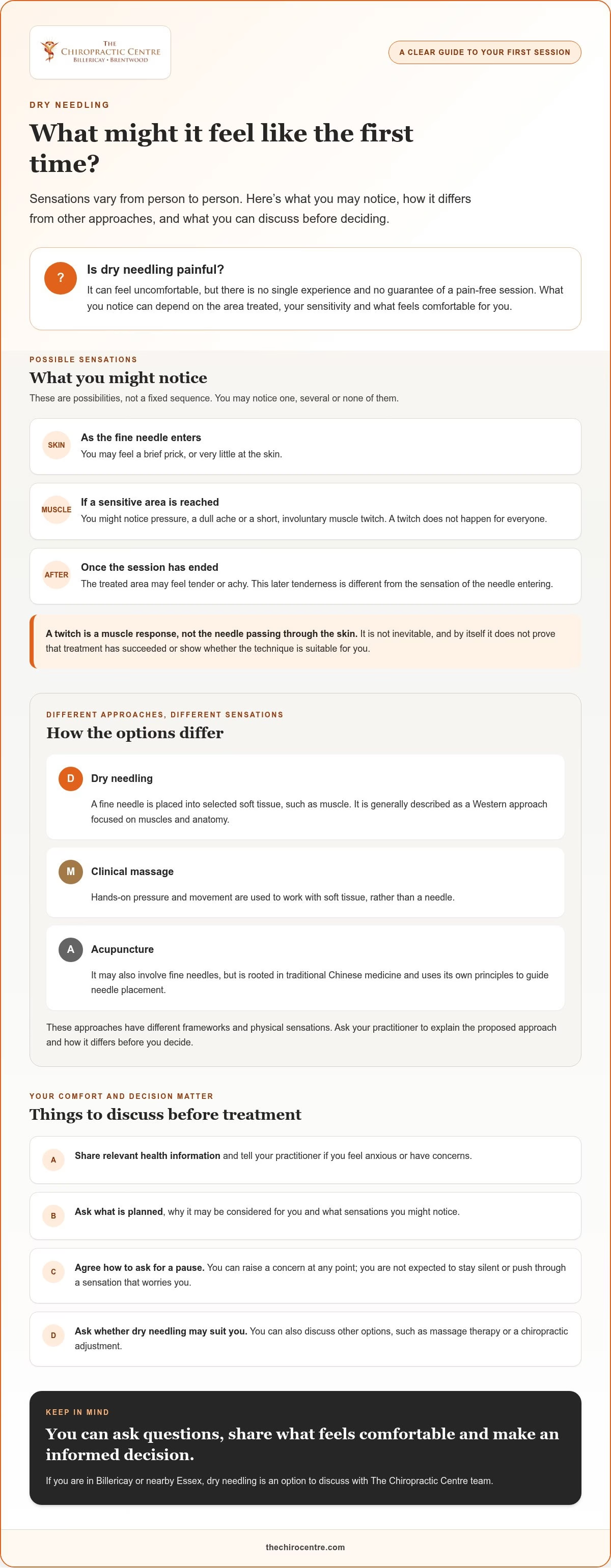
Is dry needling painful for the first time? It can be uncomfortable, but there’s no single experience and no guarantee of a pain-free session. You might notice a brief prick as a fine needle enters the skin, followed by pressure, an ache or a short muscle twitch. These sensations during treatment are different from tenderness that may develop afterwards.
Dry needling involves placing fine needles into targeted soft tissue, often around areas of muscle tension. The feeling as the needle enters, the muscle’s response and any later soreness are separate things. You may notice one, several or none of them. What you feel can depend on the area treated and your individual sensitivity.
What does dry needling feel like?
Some people describe a brief prick or a feeling of pressure. If the needle reaches a sensitive area in the muscle, you may feel a dull ache or a short, involuntary twitch. A twitch is a muscle response, not the same as the needle passing through the skin, and it doesn’t happen for everyone. Sensations can vary between areas and between sessions.
Afterwards, the treated area may feel tender or achy. That later tenderness isn’t the same as discomfort during needle insertion. Ask your practitioner what sensations might occur and what to do if something feels uncomfortable.
Does everyone feel the same level of discomfort?
No. Your experience may be shaped by the area being treated, your sensitivity and how you feel about needles. If you’re worried or tense before your appointment, mention it. You don’t need to know exactly how the session will feel before asking questions or saying what would help you feel more at ease.
Before treatment begins, ask the practitioner to explain the plan and the sensations you might notice. Agree how you’ll let them know if you feel uncomfortable or want them to pause. You can raise a concern at any point; you’re not expected to stay silent or push through a sensation that worries you. A clear conversation keeps your comfort and your decision central to the session.
Why dry needling can cause different sensations during a session
Dry needling uses a fine needle placed into selected soft tissue, such as muscle. The practitioner’s approach and the area chosen depend on your individual needs, so sessions aren’t identical for everyone. That helps explain why searching for is dry needling painful for the first time won’t produce one sensation that applies to every person.
Clinical massage uses hands-on pressure and movement to work with soft tissue, while dry needling involves a needle. The approaches may both be part of care, but they create different physical sensations. Ask the practitioner to explain the proposed approach and answer your questions before you decide whether to proceed.
What happens when a needle reaches a sensitive muscle area?
A trigger point is a sensitive, tight area within a muscle. A practitioner may choose to target one, but not every dry needling session necessarily focuses on trigger points. If a needle is placed in a sensitive area, you might notice a local ache, pressure or a brief muscle twitch. You may notice little response, too.
The needle sensation happens as the fine needle enters or sits in the tissue; a twitch, if it occurs, is a separate response from the muscle. A twitch isn’t essential or inevitable, and it doesn’t prove that treatment has succeeded or tell you by itself whether the technique is suitable for you. Sensations can vary between people and treated areas. If something feels concerning, tell your practitioner rather than trying to interpret it alone.
How dry needling differs from acupuncture
Both dry needling and acupuncture may involve fine needles, but they can differ in their framework and intended use. Dry needling is generally described as a Western approach focused on muscles and anatomy. Acupuncture is rooted in traditional Chinese medicine and uses its own principles to guide needle placement. These are different approaches, not a reason to dismiss either one.
The session and the explanation for choosing an approach may also differ. Before treatment, ask what the practitioner plans to do, why it may be considered for you and what sensations you might notice. You can also ask how the approach differs from hands-on clinical massage, so you know what to expect before deciding.
If you’re considering dry needling, you can read about dry needling care and raise your questions with the team before deciding whether it may suit you.
Dry needling, clinical massage and acupuncture: what may feel different?
These approaches use different techniques and treatment rationales, so the sensations you notice may differ too. There isn’t one option that suits everyone, and comfort alone doesn’t determine which approach may be appropriate. A practitioner can explain the options in light of your needs and assessment.
| Approach | What you may notice | Questions to ask |
|---|---|---|
| Dry needling | A fine needle is placed into selected soft tissue. You may notice a brief prick, pressure, an ache or a muscle response, though experiences vary. | Why are you considering this approach for me, and what sensations might I notice? |
| Clinical massage | A hands-on form of soft tissue therapy. You may feel pressure or movement as the practitioner works with the muscles. | Which areas would you work on, and how can I let you know if the pressure feels uncomfortable? |
| Acupuncture | Fine needles may be used, with placement guided by a different treatment framework from dry needling. | What guides the treatment, and what should I expect during a session? |
Dry needling compared with clinical massage
Dry needling uses a needle, while clinical massage uses hands-on techniques to work with soft tissue. Neither description tells you exactly how comfortable a session will feel: your response can vary with the area treated and your individual sensitivity. Clinical massage isn’t automatically a replacement for dry needling or the right choice for everyone. If you’d like to learn more about that option, read the guide to clinical massage in Billericay.
Dry needling compared with acupuncture
Dry needling is generally explained through anatomy and the muscles being treated. Acupuncture is associated with traditional Chinese medicine and its own principles for guiding needle placement. Both may involve fine needles, but their rationale and the way a session is planned can differ. Don’t assume one will feel more comfortable or be more suitable for you.
Still deciding? Ask the practitioner what they recommend, why it may fit your situation and what alternatives could be considered. If you’re wondering is dry needling painful for the first time, include your concerns about discomfort in that conversation. A clear explanation can help you weigh the options without pressure.
How to prepare for your first dry needling session
A little preparation can help you feel informed and involved. Before treatment begins, the practitioner should discuss whether dry needling may be suitable for you, explain the proposed approach and give you time to ask questions. You don’t need to hide that you’re nervous about needles or unsure what to expect.
Use this checklist to guide the conversation:
- Share your concerns. Say if you feel anxious about needles or have had a difficult experience with treatment before.
- Discuss relevant health information. Tell the practitioner about health conditions or other details that could affect whether the approach is suitable. If you’re unsure what to mention, ask.
- Ask what’s planned. Find out which area they intend to treat and what the technique involves.
- Agree how to communicate. Ask how to signal that you’re uncomfortable or would like a pause.
- Check what to wear. Comfortable clothing may help if it allows access to the area being treated, but ask the clinic about any preparation guidance specific to your appointment.
Questions to ask before treatment starts
Clear answers can make it easier to decide whether you feel ready. You might ask, “What sensations could I notice?”, “What will you do if I want you to stop?” and “Are there any reasons this may not be suitable for me?” Ask the practitioner to explain anything that feels unclear. A discussion about suitability should take account of your situation, not just the technique.
What if you feel uncomfortable during dry needling?
Tell the practitioner how you’re feeling at any point. You can ask for a pause, explain what’s uncomfortable and discuss whether to continue or consider another option. You don’t have to tolerate pain or stay quiet to complete a session. Pausing gives you both a chance to check in and decide what feels appropriate next.
If the question is dry needling painful for the first time is on your mind, bring it up before treatment starts. The Chiropractic Centre offers dry needling, and you can discuss dry needling with the clinic and ask what to expect before making a decision.
Considering dry needling in Billericay or nearby Essex? Discuss your options
If you’re considering dry needling, it’s reasonable to want more than a quick description of the technique. You may want to know why it’s being considered, what the session could involve and whether it feels like an option you’re comfortable exploring. The Chiropractic Centre offers dry needling, but whether it may suit you depends on your individual situation. No particular result can be promised.
How a practitioner can help you decide whether it is suitable
A conversation gives you space to explain what’s bothering you, share relevant health information and mention any worries about needles. The practitioner can outline the approach they’re considering and answer questions before you decide whether to proceed. Ask what area they propose to treat, what sensations you may notice and what other care options might be relevant. If anything is unclear, ask for an explanation in plain English.
Your concerns are part of the discussion, not an inconvenience. You can also talk about what would help you feel more at ease, such as agreeing how to signal that you need a pause. If you’re arranging a first appointment, the new patient chiropractor consultation in Essex guide may help you understand the consultation option. Check with the practice if you have questions about how dry needling would be considered in your own care.
A calm next step for local patients
The Chiropractic Centre serves Billericay and nearby Essex communities, including Brentwood, Chelmsford, Stock, Basildon and Wickford. If you live locally and are wondering, “is dry needling painful for the first time?”, raise that concern before making a decision. Ask about the approach, what to expect and whether another option, such as clinical massage or a chiropractic adjustment, may be worth discussing.
You don’t have to commit to treatment simply to ask questions. A conversation can help you understand the available care and decide what feels right for you. Discuss dry needling, your comfort concerns and whether it may be suitable for your needs at your own pace.
Take your next step with confidence
So, is dry needling painful for the first time? There’s no one answer: sensations vary, and a pain-free session can’t be guaranteed. Knowing what the technique may involve, asking questions beforehand and agreeing how to signal discomfort can help you feel more prepared and involved in decisions about your care.
Dry needling and clinical massage are non-drug treatment options, though neither is suitable for everyone or guarantees a particular result. The Chiropractic Centre offers both services to people in Billericay and nearby Essex communities. You can ask about the approach, discuss concerns about needles and explore which options may be appropriate for you, without feeling pressured to decide straight away.
If you’d like to find out more, ask The Chiropractic Centre about dry needling. A conversation is a positive first step towards making an informed choice at a pace that feels right for you.
Frequently Asked Questions
Is dry needling painful for the first time?
It can feel uncomfortable for some people, while others notice only brief sensations. If you’re asking “is dry needling painful for the first time?”, a fine needle may cause a short prick, pressure or ache, and a muscle may respond, but none of these sensations is certain. Tell your practitioner it’s your first session. Ask what to expect and agree how you can signal that you’d like a pause.
Does dry needling hurt more than acupuncture?
There’s no single answer, as comfort is personal and the approaches may use needles for different purposes. You might find one experience more noticeable than the other, or notice little difference. Rather than relying on a general comparison, ask the practitioner to explain their method and what sensations you may notice. You can also agree beforehand how to let them know you want a pause.
Can I ask the practitioner to stop during dry needling?
Yes. Tell the practitioner how you’re feeling at any point, and ask for a pause if you’re uncomfortable. You can then discuss whether you want to continue or stop. Agreeing how to communicate before treatment starts may help you feel more at ease. You don’t need to stay quiet or push through a sensation. Your concerns should be heard throughout the session.
Is it normal to feel sore after dry needling?
Some people notice temporary tenderness after dry needling, while others don’t; responses vary. Ask your practitioner what you might experience and what guidance applies to your session. There isn’t one expected response that applies to everyone. If you’re concerned about how you feel afterwards, contact the clinic for advice rather than relying on a general online description.
How should I prepare for my first dry needling appointment?
Tell the practitioner it’s your first session and share any concerns about needles or discomfort. Ask what the treatment involves, which area they may treat and how you can request a pause. Discuss relevant health information that could affect suitability. Follow any preparation advice the clinic gives you, as instructions may depend on your appointment. Don’t assume every practitioner follows the same process.
Should I choose dry needling or clinical massage?
Dry needling uses fine needles, while clinical massage is hands-on soft tissue therapy. The right option depends on your needs, preferences and an individual discussion with a practitioner. Ask what each approach involves, what sensations you may notice and why one might be considered for you. The Chiropractic Centre offers both services to people in Billericay, Brentwood, Chelmsford, Stock, Basildon and Wickford.