
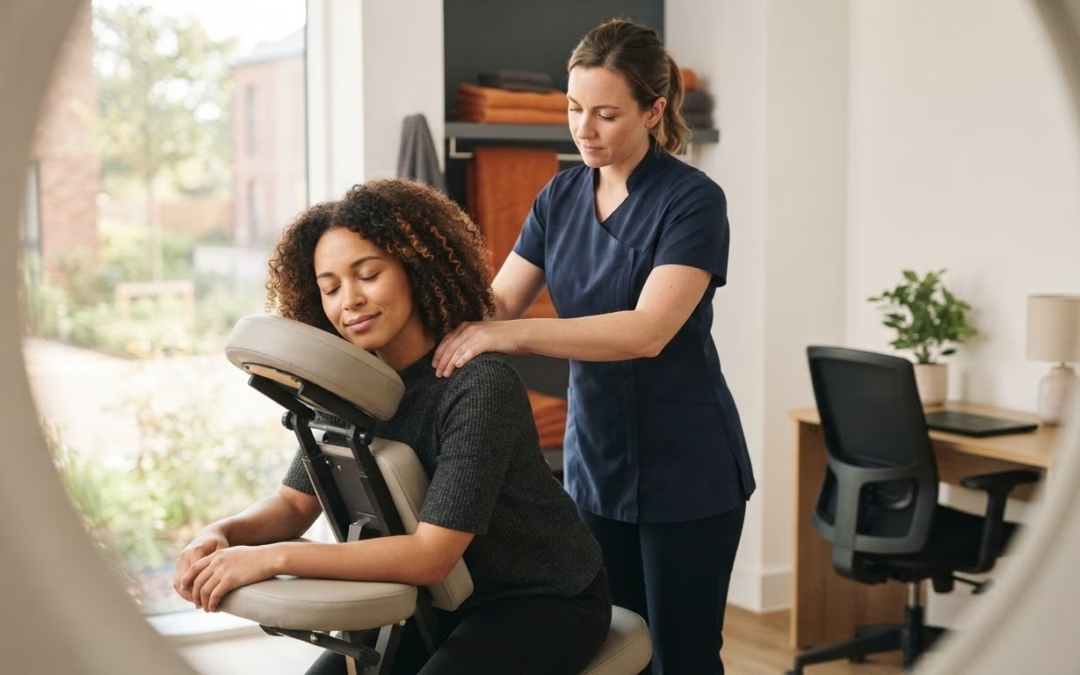
Could massage help ease the neck, shoulder or back tension that builds up during a day at your desk? If you’re exploring the benefits of massage for office workers Chelmsford, it’s useful to know that hands-on treatment may support comfort, but it isn’t a guaranteed fix. How you sit, move and take breaks can matter too.
After long hours of sitting or screen use, it’s understandable to want relief while feeling unsure what massage can realistically do. Massage therapy may help ease a sense of muscle tension and support relaxation. A practitioner can discuss your needs and whether clinical massage may be suitable, without promising a particular result.
This guide covers potential benefits and limitations, compares an individual clinical massage appointment with workplace chair massage, and offers questions to ask before choosing. You’ll also find practical ways to support comfort between sessions, so you can consider a realistic next step in Chelmsford.
Key Takeaways
- The benefits of massage for office workers Chelmsford may include easing a sense of muscle tension and supporting comfortable movement, but results vary.
- Clinical massage and workplace chair massage differ in setting, purpose and privacy. Consider which format fits your needs.
- Before treatment, note what’s bothering you and discuss your goals and treatment suitability with the practitioner.
- Movement breaks and comfortable workstation habits can complement massage therapy as part of your routine.
- When looking for local care, check availability, treatment suitability and fees before booking with a provider serving Chelmsford and nearby communities.
Benefits of massage for office workers in Chelmsford: what may change?
After hours at a desk, you might notice stiffness around your neck, shoulders or back. Staying in one position, looking at a screen or repeating small movements can leave muscles feeling tense. That feeling alone, though, doesn’t identify a specific cause or condition.
Massage therapy is hands-on soft tissue therapy, in which a practitioner works with muscles and other soft tissues. Some people find that it supports a sense of comfort or makes movement feel easier. The benefits of massage for office workers Chelmsford depend on your needs and how you respond, so there’s no guaranteed result.
Why sitting and repetitive desk tasks can leave you feeling stiff
Staying in one position for a long stretch may mean your muscles get fewer opportunities to move and relax. Repeated tasks, such as typing or using a mouse, can also contribute to a feeling of strain in the hands, arms or shoulders. The Repetitive Strain Injury (RSI) overview explains a term used for some problems associated with repeated movements. Everyday desk-related stiffness doesn’t, by itself, mean you have an RSI.
How you feel can be affected by several factors, not posture alone. A practitioner can listen to what you’ve noticed and discuss whether massage may be appropriate, rather than assuming a diagnosis based on where you feel tension.
What massage may offer alongside workplace changes
Some people find a massage session relaxing or feel more comfortable afterwards. Others may notice little change, and responses can vary from one session to another. Massage may ease a sense of tension and support comfortable movement, but it can’t guarantee lasting relief or prevent every desk-related problem.
Hands-on care is one possible part of looking after your comfort, not a substitute for moving during the day or having a workstation that suits you. When practical, try changing position between tasks and checking whether your screen and chair feel comfortable. These habits may complement massage, but they can’t guarantee prevention.
If symptoms persist, worsen or concern you, seek individual professional advice. You can also raise health concerns with the practitioner before treatment, so you can discuss your needs and whether massage therapy may be suitable. A clear conversation is a useful first step towards choosing support that feels right for you.
How clinical massage may support desk-related muscle tension
Clinical massage is therapist-delivered soft tissue therapy: hands-on work with muscles and other soft tissues, shaped around a person’s needs. If you’re looking into the benefits of massage for office workers Chelmsford, consider it one possible form of support, not a guaranteed solution. Some people find massage eases a sense of tension or makes movement feel more comfortable; responses differ.
Clinical massage may support comfort and ease a sense of tension, but it can’t diagnose the cause of symptoms or promise a particular result. A musculoskeletal assessment, meaning a discussion and exploration of your muscles, joints, movement and concerns, can help a practitioner understand what you’re experiencing before discussing whether massage is suitable. The evidence for massage therapy is also worth approaching with care: research findings can vary by condition and don’t guarantee how an individual will respond.
Which areas might you discuss with a massage therapist?
You might want to talk about tension or discomfort around your neck, shoulders or upper back. If your lower back is bothering you, mention that too, without assuming desk work is necessarily the cause. Describe what you notice in your own words: when it started, which activities seem to affect it, how it changes during the day and what you’d like help with. Sharing relevant health history can help the practitioner consider whether treatment is appropriate.
Why assessment and personalisation matter
A helpful conversation starts with listening. Before suggesting an approach, the therapist should understand your concerns, goals and relevant health details. Massage isn’t a diagnosis, and it may not be right for every person or symptom. If anything is unclear, ask what the suggested treatment involves and raise concerns before agreeing to proceed. You can read more in this clinical massage guide.
The Chiropractic Centre offers massage therapy and serves Chelmsford and nearby communities. You can find out more about massage therapy and check the current location and availability before making plans.
Workplace chair massage or a clinical massage appointment in Chelmsford?
Both formats involve hands-on massage, but suit different situations. Workplace chair massage may be offered as a brief staff wellbeing activity, while an individual clinical massage appointment gives you time to discuss your own concerns with a practitioner. Neither format guarantees a particular outcome. The right choice depends on what you’re looking for and what the provider offers.
| What to consider | Workplace chair massage | Individual clinical massage |
|---|---|---|
| Setting | At a workplace or work event, if arranged by an employer or provider. | In a treatment setting, with the location confirmed before booking. |
| Likely purpose | A staff wellbeing activity that may offer a chance to pause during the workday. | Hands-on support discussed in relation to your personal concerns and goals. |
| Privacy | May take place around colleagues, so ask about the set-up and privacy. | Allows you to discuss personal symptoms and relevant health details privately. |
| Who arranges it? | Usually the employer or event organiser, depending on the provider’s offer. | You contact the practice or practitioner and check the appointment details. |
When an on-site workplace massage may suit your team
If your employer is considering chair massage, it may be a convenient way to include a wellbeing activity at work. It isn’t a substitute for individual care, particularly if you have personal symptoms or questions that need a private discussion. Before arranging a session, check the provider’s set-up, accessibility, privacy and suitability for staff. The Chiropractic Centre offers massage therapy, but its service information doesn’t confirm an on-site corporate massage service.
Massage is only one part of supporting comfort at work. Regular movement can also help you vary long stretches at your desk. The Chartered Society of Physiotherapy shares expert advice on keeping active that you can consider alongside your workplace routines.
When to consider an individual clinical massage appointment
If you want to talk through a particular concern, treatment preference or relevant health detail, an individual appointment may give you more opportunity to explain what matters to you. You can ask whether massage therapy is appropriate and discuss what you hope to get from it before deciding on next steps. This doesn’t guarantee a specific effect, but it makes the conversation more personal to your needs.
For more service context, read the massage therapy guide for Billericay. The Chiropractic Centre serves Chelmsford and nearby communities, so check the current location and availability when making enquiries.
How to make massage therapy fit around your office routine
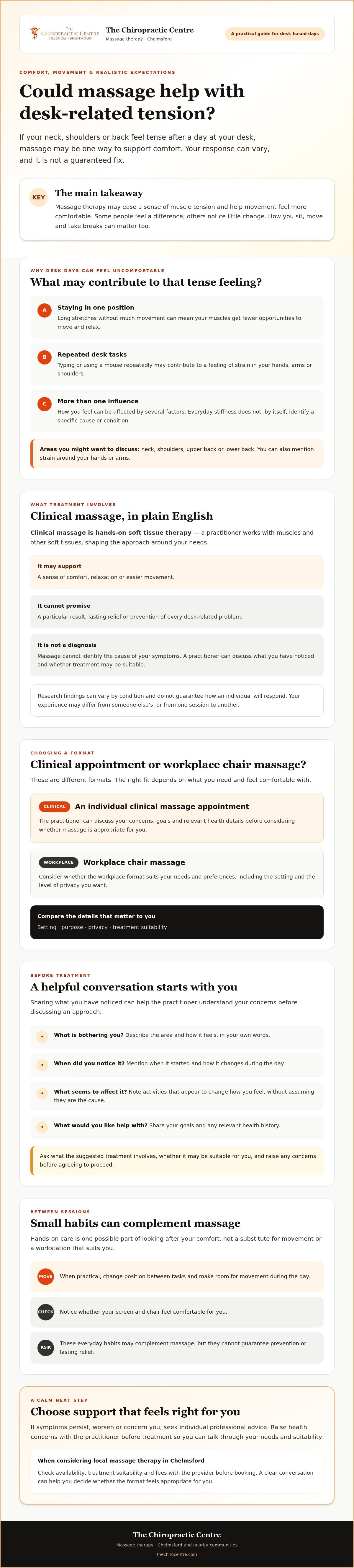
A little preparation can help you make the most of a conversation about massage therapy. Before arranging an appointment, note what you’ve noticed and what you’d like to ask. The practitioner can then discuss whether treatment may be suitable and agree a sensible next step with you.
- Note your concerns. Describe where you feel discomfort, when it tends to arise and whether any activities seem to affect it.
- Check suitability. Mention diagnosed musculoskeletal disorders, pregnancy and any other relevant health information before treatment.
- Discuss your goals. Explain what you hope to get from massage and raise questions or concerns about hands-on care.
- Agree what happens next. Talk through the proposed approach, your comfort and how you can ask to pause or adjust the treatment.
What to discuss before your massage appointment
Use your own words; you don’t need to arrive with a diagnosis. You might explain that your shoulders feel tense after certain tasks, or that discomfort changes during the day. Share relevant health details and ask how the practitioner will check in about your comfort. Agreeing how to pause or change the approach can help you feel more at ease.
Small changes that support comfort during a desk-based day
Massage therapy doesn’t replace the small choices you make at work. Where your tasks allow, vary your position and take manageable movement breaks. Check whether your screen, chair and desk arrangement feel comfortable for you; there isn’t one ideal posture that suits everyone. These habits may complement hands-on care, but they can’t guarantee prevention or replace individual advice if symptoms persist.
If you’re exploring the benefits of massage for office workers Chelmsford offers, a practitioner can discuss your concerns and whether massage therapy may be appropriate. Ask The Chiropractic Centre about massage therapy as a possible next step.
Choosing massage therapy near Chelmsford: a calm next step
Choosing massage therapy is a personal decision. You may be looking for hands-on support for tension you notice after desk-based work, but no appointment can guarantee that every concern will resolve. The benefits of massage for office workers Chelmsford readers consider depend on individual needs and response, so a clear conversation before booking matters.
The Chiropractic Centre serves Chelmsford and nearby communities. Before making arrangements, confirm the current location and appointment availability rather than assuming where treatment takes place. This checklist can help you decide:
- Local availability: Check where appointments are offered and whether the location works for you.
- Practitioner discussion: Ask how they’ll learn about your concerns, goals and relevant health details.
- Treatment suitability: Explain your circumstances and ask whether massage therapy may be appropriate for you.
- Clear fees: Confirm the current fee and what the appointment involves before you book.
Questions to ask before choosing a local massage appointment
You could ask what happens during an appointment, how the practitioner will discuss your needs and how you can raise preferences about comfort or pressure. Mention relevant health information and ask whether the proposed approach suits your circumstances. If you receive other care, ask how massage therapy may fit alongside it. Clear answers can help you make an informed choice without feeling hurried.
How to take the next step with confidence
A conversation can help you work out whether massage therapy fits your goals, without committing you to a particular treatment plan or result. If your concerns call for a wider discussion of care, you may find the new patient consultation guide useful. It’s relevant when you’re considering a broader assessment rather than simply asking about massage.
If you’d like to explore massage therapy locally, you can contact The Chiropractic Centre with questions about the service, current location, availability and fees. A personal discussion can help you consider a practical next step, without a promise that massage will resolve every desk-related concern.
Take a considered next step towards desk-based comfort
Massage therapy may offer a supportive, hands-on option if desk-based work leaves you feeling tense, but it can’t guarantee a particular result or replace individual advice when symptoms persist. Your response is personal, so consider what you’d like help with and discuss whether treatment may be suitable for you.
If you’re weighing up the benefits of massage for office workers Chelmsford, remember that a clinical massage appointment can include a conversation about your concerns and goals. A personal discussion can help inform whether massage is appropriate, while regular movement and comfortable workstation habits may complement hands-on support.
The Chiropractic Centre serves Chelmsford and nearby communities, offering massage therapy. To discuss your needs, treatment suitability and practical details, contact The Chiropractic Centre about massage therapy.
Frequently Asked Questions
Can massage help with neck and shoulder tension from office work?
Massage may help some people feel more relaxed or comfortable when they have tension around the neck and shoulders, but results vary. Desk work doesn’t automatically explain the cause of discomfort, and massage can’t guarantee relief or diagnose a condition. Tell the practitioner what you’ve noticed, when it occurs and whether anything seems to affect it. If symptoms persist or concern you, seek individual professional advice.
What are the benefits of massage for office workers?
The benefits of massage for office workers Chelmsford readers may consider include a possible sense of relaxation, reduced muscle tension and more comfortable movement. These are individual experiences, not guaranteed outcomes, and massage won’t address every cause of discomfort. It may form part of a wider approach to desk-based wellbeing alongside movement breaks and comfortable workstation habits. A practitioner can discuss your needs and whether massage therapy may suit you.
Is clinical massage different from workplace chair massage?
Yes. Workplace chair massage is generally arranged as a staff wellbeing activity, while an individual clinical massage appointment offers an opportunity to discuss your personal concerns and goals privately. The details of a workplace session depend on the provider, so check its setting, arrangements, accessibility and suitability. Neither format guarantees a particular result. If you have symptoms or health details you’d prefer to discuss in private, ask about an individual appointment.
How often should an office worker have a massage?
There isn’t one set massage schedule that suits every office worker. How often to consider treatment depends on your needs, preferences, response and whether a practitioner feels massage is appropriate. Rather than assuming you need regular sessions, discuss your goals and review how you feel after treatment before agreeing next steps. If discomfort continues or changes, seek individual advice instead of relying on massage alone.
What should I tell a massage therapist before treatment?
Tell the therapist where you feel discomfort, when it tends to happen and what activities seem to affect it. Share relevant health information, including any diagnosed musculoskeletal disorders or pregnancy, and mention concerns about hands-on treatment. You can also explain your preferences about pressure or areas to avoid. Before treatment begins, agree how you can ask the therapist to pause or adjust their approach if you feel uncomfortable.
Can massage replace movement breaks or changes to my desk setup?
No. Massage therapy shouldn’t replace movement breaks or practical workstation adjustments. Where your work allows, change position, move regularly and check whether your screen, chair and desk arrangement feel comfortable for you. There’s no single posture that suits everyone, and these habits can’t guarantee prevention of discomfort. If symptoms persist, seek individual advice. Massage may be considered as one supportive option alongside suitable daily habits.
Can I book massage therapy in Chelmsford with The Chiropractic Centre?
The Chiropractic Centre offers massage therapy and serves Brentwood, Billericay, Chelmsford, Stock, Basildon and Wickford. Check directly with the practice about the current appointment location, availability and fee before making plans, as these details can’t be assumed. You can ask what the appointment involves and whether massage may suit your needs. A conversation can help you decide on a practical next step without any promise of a particular outcome.