
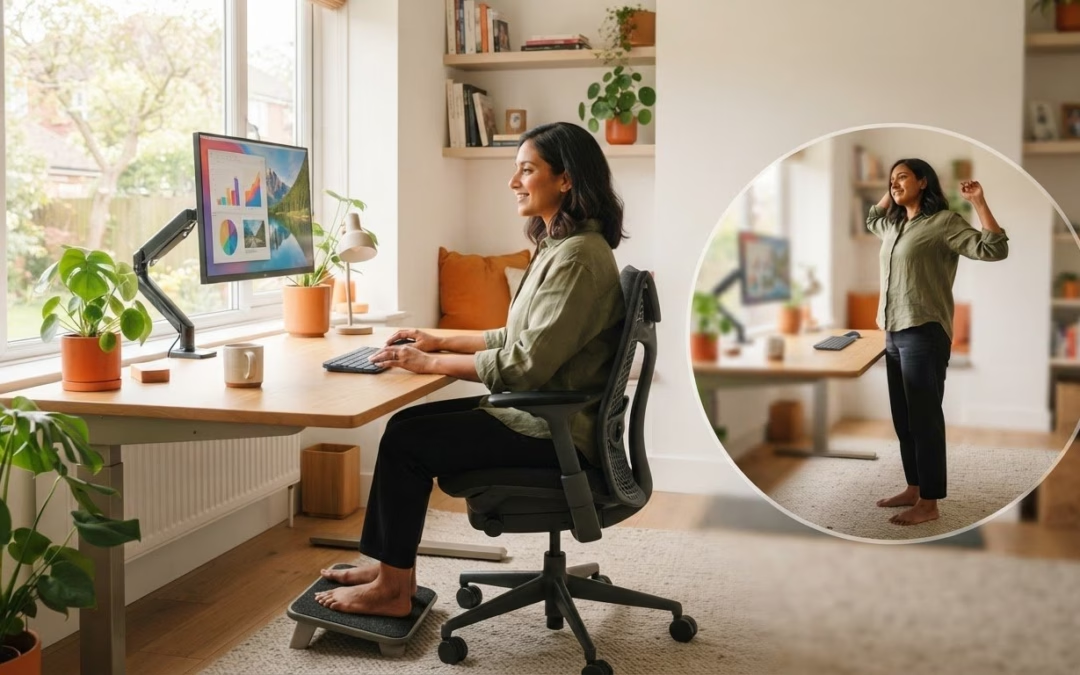
What if improving desk comfort has less to do with holding one “perfect” posture and more to do with moving regularly? If you finish work with a stiff neck, tight shoulders or an aching back, it’s understandable to wonder whether your chair, screen or sitting habits are contributing. If you’re looking for practical ways of improving posture from desk job Basildon routines, start with small changes that make your workspace comfortable and movement easier.
You don’t need to hold yourself rigidly upright all day. Changing position, taking brief movement breaks and adjusting your workstation can help you feel more at ease during desk-based work. This guide shows you how to review your chair and screen, build manageable movement into your day, and think about posture as a range of positions rather than one pose to maintain.
If discomfort persists or affects everyday activities, individual guidance can help you consider what to try next. The Chiropractic Centre offers a spinal health check and musculoskeletal assessment, as well as chiropractic adjustments and massage therapy. This article focuses on practical steps you can try yourself and when to seek support.
Key Takeaways
- Learn how screen position, reaching and long spells of stillness can affect comfort at your desk.
- Use a simple check of your chair, screen and keyboard to spot setup changes worth trying.
- Explore practical ways of improving posture from desk job Basildon routines without holding one rigid position all day.
- Build a flexible workday routine for home, office or hybrid working, and review what feels comfortable.
- Know when ongoing or worsening discomfort may call for individual guidance, and what to discuss during a musculoskeletal assessment.
Why desk work can leave your posture feeling strained in Basildon
After a long desk-based day, you may notice that moving feels less comfortable or that you’re carrying tension through your neck, shoulders or back. That doesn’t mean you’ve been sitting “wrong” or failed to maintain good posture. Long spells looking at a screen, reaching for equipment and staying in one position can all affect how comfortable you feel.
For desk workers in Basildon, it helps to think of posture as the positions you use and the ways you move throughout the day, rather than one fixed shape. Sitting, standing, reaching and looking at a screen all form part of your working posture, whether you’re in an office, at home or working between the two. You can read a general overview of human posture, while remembering that everyday comfort is also shaped by your work habits and setup.
What does desk-work posture mean in everyday life?
Think about how you sit during a video call, lean towards a screen to read small text, or reach across your desk for a notebook. Those are all ordinary posture habits. Repeating them during the day can influence how your body feels, but posture alone doesn’t diagnose a health problem. It’s not a test of effort or discipline, either. Your needs and work environment matter, and your position will naturally change as you work.
Why can staying in one position feel uncomfortable?
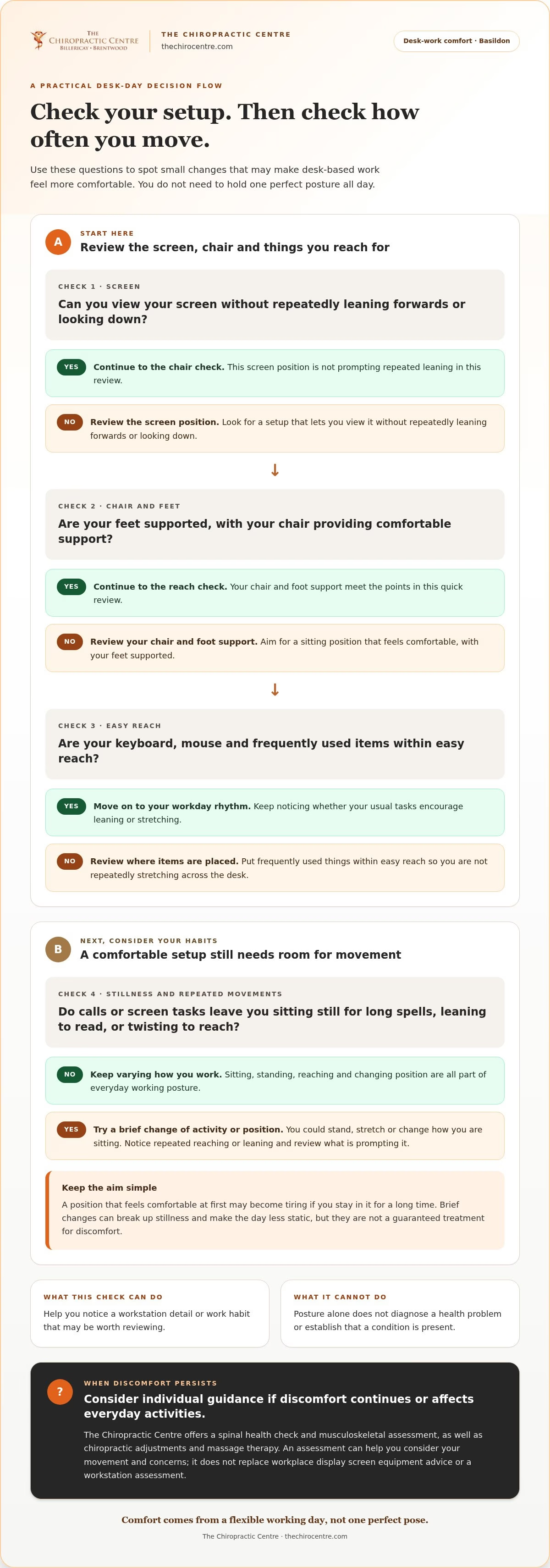
Even a position that feels comfortable at first may become tiring or restrictive if you stay in it for a long time. Several back-to-back meetings, for example, can leave little opportunity to stand, stretch or change how you’re sitting. A brief change of activity or position breaks up stillness and gives you a chance to move differently. It isn’t a guaranteed treatment for discomfort, but it can make your day less static.
There’s no need to monitor every movement or force yourself into a rigid pose. Instead, notice what your working day involves. Do you lean towards your screen to see it? Do you stay seated through calls, then repeatedly reach for items placed out of easy reach? These observations can point to practical changes worth trying, without assuming the same desk arrangement suits everyone.
Desk workers in Basildon have varied setups, from a dedicated office desk to a temporary home workspace or a hybrid routine. Start by noticing when a position or repeated habit leaves you feeling less comfortable, rather than judging your posture. From there, you can consider small adjustments and more opportunities to vary how you work.
How desk habits and workstation setup affect posture
Your desk setup and your working habits are connected, but they’re not the same thing. Your workstation shapes the positions available to you; your movement habits shape how long you stay in them. A screen that’s hard to see may encourage you to lean forward, while a long task or meeting can mean you barely change position. These patterns can affect comfort, although discomfort can have several possible causes and shouldn’t automatically be blamed on posture.
Which workstation details are worth reviewing?
Review your screen, chair and desk rather than trying to copy someone else’s setup. Can you view the screen without repeatedly leaning forward or looking down? Can you sit with your feet supported and your chair providing comfortable support? Are your keyboard, mouse and frequently used items within easy reach, or do you find yourself stretching across the desk?
These are useful details to compare with current Health and Safety Executive display screen equipment guidance, especially if you work from home or split your time between locations. You don’t need to guess measurements or buy special equipment straight away. The office ergonomics guide is another reference for arranging a chair, desk and monitor.
How work patterns influence the way you sit
Even a well-arranged workstation can’t create movement by itself. Back-to-back calls, uninterrupted screen tasks and frequent reaching for papers or equipment may all affect how you sit and how often you change position. Notice whether you lean towards the screen while reading, remain still throughout calls, or twist repeatedly to reach something behind you. This can help you identify a habit or setup detail to review.
Prolonged sitting is sometimes discussed in relation to spinal compression, meaning force that reduces the space between vertebrae. This term describes a physical concept, not a diagnosis you can make by looking at someone’s sitting position. Your posture alone doesn’t establish that spinal compression or another condition is present.
If you’re exploring improving posture from desk job Basildon routines, consider both your equipment and the rhythm of your workday. A musculoskeletal assessment can provide individual guidance by considering your movement and concerns. It doesn’t replace workplace display screen equipment advice or a workstation assessment. For personal support with musculoskeletal concerns, you can arrange a musculoskeletal assessment.
Do you need to sit perfectly upright to improve posture?
No. Holding yourself bolt upright throughout the working day can become uncomfortable in its own right. Posture isn’t a pose you need to maintain perfectly, and differences in how people sit don’t automatically mean there’s damage, misalignment or disease. A practical goal is to find a comfortable working position that suits the task and lets you move freely.
Work demands and personal circumstances vary. You might sit for focused computer work, stand to take a call, or shift position during a meeting. What feels manageable can depend on your workstation, the task and how you’re feeling that day. “Sit up straight” can be a useful reminder to adjust if you feel slumped, but it isn’t a rule to follow rigidly from morning to evening.
Is there one correct sitting position for everyone?
There isn’t one sitting position that’s ideal for every person and every task. Look for a setup that feels supported and allows you to change position without a struggle, rather than aiming for a fixed shape. You might sit back for a while, shift your weight or stand briefly when your work allows. The aim is a comfortable range of movement, not perfect posture.
Regular position changes are more realistic than rigid posture rules. Give yourself room to move instead of trying to hold one “correct” pose all day. If you’re focused on improving posture from desk job Basildon routines, this can take some pressure off. You don’t need to catch and correct every small movement. Noticing what feels comfortable and what becomes tiring is a more useful starting point.
When is discomfort more than a workstation issue?
Desk habits can be one part of the picture, but they don’t explain every ache or stiffness. Discomfort may have different influences, so avoid diagnosing yourself from the way you sit or assuming a particular posture has caused a problem. Terms such as vertebral subluxations or postural decline shouldn’t be used to explain your symptoms without an appropriate individual assessment.
If discomfort persists, worsens or begins to interfere with your usual activities, consider seeking individual healthcare advice rather than relying only on desk adjustments. The same applies if your symptoms concern you or feel different from what you’d expect. A professional can listen to your experience and consider your movement and relevant history; you don’t need to work out the cause on your own.
Comfort strategies and a flexible approach to sitting can be useful parts of everyday self-management, but they can’t promise to prevent or cure pain. If you’re unsure what’s contributing to ongoing discomfort, personalised guidance can help you consider a sensible next step.
A practical desk-job routine for better posture in Basildon
A manageable routine doesn’t need to take you away from work for long or depend on a particular type of desk. Start by noticing what you do during a typical day, make one change to your setup, and look for natural chances to move. Then review whether the change makes your work feel more comfortable. This approach can suit home, office and hybrid workers in Basildon and nearby communities.
How can you make your desk more comfortable?
Check whether you can view your screen without repeatedly leaning towards it, whether your chair feels supportive, and whether your keyboard, mouse and frequently used items are easy to reach. If you work at a kitchen table or move between workspaces, focus on the details you can adapt instead of aiming for an identical setup everywhere.
Try changing one detail at a time. For example, move an often-used item closer and notice whether you reach less during the day. If you adjust your screen, see whether viewing it feels more comfortable. For workplace display screen recommendations, refer to current Health and Safety Executive (HSE) guidance, and use your employer’s workstation assessment process if you need help reviewing your setup.
How can you build more movement into the workday?
Look for suitable pauses that already exist in your routine. You might stand or walk briefly after a call, change position between tasks, or stretch gently whilst waiting for a meeting to begin. If you need to remain seated or have limited space or mobility, a small shift in position can still give you a change from staying completely still. Choose options that feel manageable for you.
Simple prompts can help make movement part of the day rather than another demanding task:
- When a call ends, consider whether you can stand or move before starting the next task.
- As you switch between pieces of work, check whether you’ve been still for a long spell and change position if comfortable.
- During a natural pause, take a moment to move in a way that suits your body and workspace.
There’s no single routine that fits every timetable or work arrangement. If you’re working on improving posture from desk job Basildon routines, keep it flexible: notice a habit, try a practical adjustment, vary your position when you can, and check how it feels over time. These steps support day-to-day self-management without promising to prevent or resolve pain.
If you’d like individual guidance alongside your own practical changes, you can explore support for your spinal health.
When to seek posture support in Basildon and what to expect
Small workstation changes and regular movement are useful self-management steps, but they may not be enough for everyone. Consider individual professional advice if discomfort persists, gets worse, or makes everyday activities such as working, sleeping or moving around more difficult. You don’t need to identify the cause yourself. A clinician can listen to what you’re experiencing and help you consider an appropriate next step.
What happens during a posture or musculoskeletal assessment?
A musculoskeletal assessment gives you the opportunity to discuss your symptoms, relevant health history and the movements or tasks you find difficult. Depending on your concerns, it may include a look at posture, muscle function and joint movement. The aim is to understand your individual situation and tailor guidance, not to fit you to a standard plan or judge how you sit.
You can also raise questions about your working day, including which positions feel tiring and what you’ve already tried. A New Patient Consultation gives you time to talk through your concerns and the support that may be suitable. Any assessment should be guided by your needs and comfort.
How can local care support your next steps?
The Chiropractic Centre serves Basildon and nearby Essex communities, including Brentwood, Billericay, Chelmsford, Stock and Wickford. A spinal health check is available if you’d like individual guidance about your spinal health. You can discuss your concerns and consider whether further support would be helpful.
The Chiropractic Centre provides chiropractic adjustments and massage therapy as part of personalised care. These treatments aren’t guaranteed solutions, and what’s appropriate depends on your circumstances and assessment. You can discuss the purpose of a suggested approach and how it relates to your concerns. If you’re considering local care, you can also read about clinical massage in Billericay.
If you’re unsure whether to seek advice, take note of how long the discomfort has lasted, what affects it and whether it’s changing your usual activities. Sharing these details can make your conversation more useful. Practical desk adjustments can remain part of your routine alongside personalised guidance when you need it.
If you’d like a local starting point, arrange a free spinal health check and discuss your concerns with a member of the team.
Make comfort part of your working day
Improving posture from desk job Basildon routines isn’t about holding one perfect position. It’s about noticing how your workday feels, making sensible changes to your screen and seating, and finding chances to move or change position. Small, manageable adjustments can help you build a routine that fits your workspace, whether you work at home, in an office or between the two.
If discomfort persists, worsens or affects your usual activities, consider seeking personalised advice rather than trying to diagnose the cause yourself. A musculoskeletal assessment or spinal health check can help you discuss your concerns and consider an appropriate next step.
The Chiropractic Centre serves Basildon and nearby Essex communities, including Brentwood, Billericay, Chelmsford, Stock and Wickford. Free spinal health checks are available. If you’d like individual guidance, arrange a free spinal health check. Start with changes that feel manageable, and take your next step towards greater comfort with confidence.
Frequently Asked Questions
Is there one correct posture for desk work?
No single sitting position suits everyone throughout a working day. Aim for a comfortable setup that lets you change position, rather than holding yourself rigidly upright. You might shift your weight, sit back or stand during a suitable pause. If you’re looking for local guidance on improving posture from desk job Basildon, remember that discomfort can have different influences. If it persists or affects daily activities, seek individual advice instead of assuming posture is the only cause.
Can a desk job cause poor posture?
Desk work can mean spending long periods in similar positions, particularly during screen-based tasks, but that doesn’t mean your job alone explains discomfort or that every postural difference is a problem. Notice whether you tend to lean towards your screen or stay still during long tasks. Reviewing your workstation and changing position when practical may help you feel more comfortable. Seek individual advice if symptoms persist, worsen or concern you.
How often should I take breaks from sitting at my desk?
There’s no single break schedule that suits every job and person. Where your work allows, use natural pauses to stand, move briefly or change position, and avoid staying still for longer than feels comfortable. You could use the end of a call or a task change as a reminder. Adapt movement to your needs and workplace arrangements, and follow any relevant guidance provided for your workstation.
Could my desk setup be affecting my posture?
Your setup may influence how you position yourself, especially if you regularly lean, reach or turn to use your screen and equipment. Check whether your screen is comfortable to view, your chair feels supportive and frequently used items are within easy reach. Try small changes and notice how they feel. Your setup is only one part of the picture; work patterns, individual needs and other factors can also affect comfort.
When should I seek help for posture-related discomfort?
Consider individual advice if discomfort persists, gets worse, limits your usual activities or causes concern. A practitioner can discuss your symptoms and relevant history, then consider whether an assessment is suitable, rather than assuming posture is the cause. Seek urgent medical advice for severe or sudden symptoms. A desk adjustment or treatment can’t be relied on as a guaranteed solution, so get guidance that takes your circumstances into account.
Can chiropractic care help with desk-related discomfort?
Chiropractic care is one option for musculoskeletal concerns. An individual assessment helps a practitioner understand your symptoms and consider suitable next steps, which may include advice, a chiropractic adjustment or massage therapy. These services won’t suit everyone or guarantee a result. The Chiropractic Centre serves Basildon, Brentwood, Billericay, Chelmsford, Stock and Wickford, with a free spinal health check available as a starting point.