
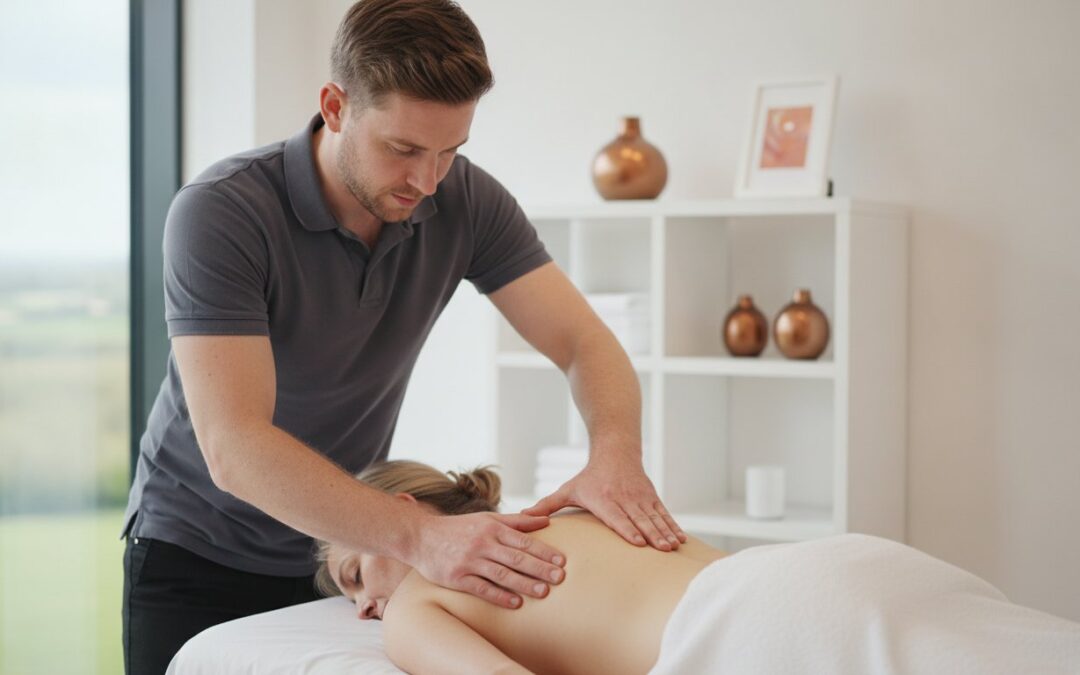
A massage shouldn’t just be a temporary escape from a busy week; it should be a strategic tool for reclaiming your physical freedom. While many view bodywork as a luxury indulgence, clinical massage is a targeted medical intervention designed to remodel soft tissue and reprogram the nervous system. If you’ve been struggling with recurring tension headaches from desk work or persistent stiffness that limits your daily movement, you aren’t alone. It’s incredibly frustrating when your body feels like a barrier to the life you want to lead.
We understand the confusion that comes with choosing the right therapy, especially when you’re worried about finding a solution that actually lasts. This guide explores the science behind clinical massage Essex and how specialised techniques can resolve chronic pain at its source. You’ll discover the specific recovery pathways used to improve posture and flexibility, helping you move away from temporary fixes and toward a future of sustained wellness and vitality. By understanding how these clinical methods work, you can finally start a journey towards long-term relief and enhanced mobility.
Key Takeaways
- Learn why clinical massage is a results-driven therapy rather than a simple spa treat, using cellular science to trigger real tissue repair.
- Discover how clinical massage Essex addresses specific local lifestyle issues, such as the postural strain caused by long commutes and desk-based work.
- Understand the importance of a comprehensive physical assessment to ensure your recovery plan is tailored to your unique gait and joint mobility.
- Explore the powerful synergy between chiropractic adjustments and soft tissue therapy for a more effective and long-lasting recovery.
- Gain clarity on the “Gate Control Theory” and how targeted pressure can help retrain your nervous system to reduce chronic pain signals.
Understanding Clinical Massage: More Than Just Relaxation
Clinical massage is often misunderstood as a simple luxury or a way to unwind after a stressful week. While relaxation is a welcome side effect, the primary intent is fundamentally different. It’s an outcome-based therapeutic intervention. When you seek out clinical massage Essex, you aren’t just booking a “treatment”; you’re entering a professional partnership aimed at resolving specific physical issues. This approach, often referred to as Medical massage, focuses on measurable results like increased range of motion or reduced pain intensity.
Your therapist acts as a skilled healthcare partner, looking beyond the surface to identify the root cause of your discomfort. Whether you’re visiting our centre in Billericay or coming from nearby Brentwood, the goal remains the same: to move you from a state of limitation to a life of vitality. This process begins with a detailed consultation where we explore your lifestyle, injury history, and physical goals to ensure every technique used has a clear purpose.
Clinical vs. Spa Massage: The Key Differences
The most striking difference lies in the assessment protocol. A spa massage typically begins with a question about your scent preference. A clinical session starts with a physical examination. We don’t just ask where it hurts; we use orthopaedic assessments and range of motion testing to pinpoint exact pathologies. While a holistic massage provides general stress relief, clinical work focuses on treating specific injuries and structural imbalances. This level of precision means that clinical massage Essex often requires a structured series of sessions, as we’re working to achieve lasting physiological change rather than a temporary “feel-good” fix. This same commitment to clinical excellence is found in other fields; for example, The Skin Edit Co provides professional skin treatments that prioritise long-term health and rejuvenation over simple cosmetic touch-ups.
The Scope of Remedial Therapy in a Clinical Setting
In a professional setting, this therapy doesn’t exist in isolation. It’s a vital component of a broader musculoskeletal recovery programme, often working in tandem with chiropractic care. We focus heavily on myofascial structures and neuromuscular pathways, addressing how your brain communicates with your muscles. It’s a common misconception that “deep pressure” is the only indicator of a clinical massage’s effectiveness. In reality, a skilled therapist understands that the nervous system often responds better to precise, targeted work. We use a variety of techniques to release tension and improve blood flow, ensuring your body has the resources it needs to repair itself effectively.
The Physiology of Soft Tissue Therapy: How Clinical Massage Works
Physical pressure is more than just a sensation; it’s a biological signal. When we perform clinical massage Essex, we are engaging in a process called mechanotransduction. This is where physical force translates into cellular signals, instructing the body to begin repairing damaged or stressed tissue. It’s a sophisticated conversation between the therapist’s hands and your cells, moving beyond surface-level comfort to trigger genuine physiological change.
The “Gate Control Theory” of pain provides another layer of clinical understanding. Your nervous system can only process a certain amount of information at once. By stimulating touch receptors, we send signals to the brain that travel significantly faster than pain signals. This effectively “closes the gate” on discomfort in the spinal cord, providing immediate relief whilst we work on deeper structural issues. This neurological shift is complemented by improved blood flow and lymphatic drainage. Rather than focusing on “detox” myths, we look at the practical delivery of oxygen and nutrients to muscle fibres and the efficient removal of metabolic waste products that accumulate during periods of inactivity or injury.
The psychological benefits are just as grounded in science. Targeted soft tissue work helps reduce cortisol levels, the body’s primary stress hormone. At the same time, it encourages the release of serotonin and dopamine. This chemical rebalancing shifts you away from a “fight or flight” state and towards a sense of optimism and vitality. If you’re curious about how this could help your specific situation, you might consider a Free Spinal Health Check to see if soft tissue work is your best path forward.
Neurological Reprogramming and Pain Modulation
Chronic pain often stems from overactive pain receptors, known as nociceptors, that have become sensitised over time. Clinical massage helps “quiet” these receptors by activating the parasympathetic nervous system. This is the “rest and digest” mode where real healing happens. According to the Mayo Clinic on Medical Massage, professional therapists are trained to use these neurological pathways to help patients “unlearn” chronic pain patterns, essentially retraining the brain to perceive the body as safe and mobile again.
Tissue Remodelling and Adhesion Release
What many people call “knots” are actually myofascial trigger points. These are small, hyper-irritable spots within a taut band of muscle that can cause referred pain and stiffness. These points often create restrictive adhesions that bind muscle fibres together, limiting your range of motion. Clinical techniques work to break down these adhesions, allowing for better collagen alignment during the remodelling phase of recovery. This structural work ensures that as your body heals, it does so with flexibility and strength rather than stiffness and restriction.
Common Conditions Treated with Clinical Massage in Essex
Many residents seek out clinical massage Essex because their daily routines have transitioned from active movement to repetitive, static strain. Whether you are commuting into London from Billericay or working long hours in a professional office in Brentwood, your body often pays the price in the form of “Essex Commuter Syndrome.” This isn’t just a catchy phrase; it describes a specific set of soft tissue imbalances caused by prolonged sitting, leading to rounded shoulders, a forward-leaning head, and a compressed lower back. Over time, these habits cause muscles to shorten and tighten, creating a cycle of pain that simple stretching rarely fixes.
Our approach at the centre focuses on breaking this cycle by identifying which muscle groups are overactive and which are underactive. With over 20 million people in the UK affected by musculoskeletal conditions, it is clear that these issues are a widespread challenge. Clinical massage acts as a vital intervention, addressing the root causes of discomfort rather than just the symptoms. By treating the person as a whole, we help our community move away from the limitations of chronic stiffness and back into a life of vitality and movement.
Managing Chronic Pain: Back, Neck, and Shoulders
For those working in Brentwood or Chelmsford offices, the most common culprit for discomfort is “Upper Cross Syndrome.” This condition occurs when the muscles in the chest and the back of the neck become tight, whilst the muscles in the front of the neck and the lower shoulders become weak. This imbalance often results in recurring tension headaches, as the suboccipital muscles at the base of the skull are forced to work overtime to keep the head level. Clinical massage Essex provides targeted relief by releasing these specific trigger points, alleviating the pressure that leads to that familiar, throbbing pain behind the eyes or at the temples.
Sports Recovery and Injury Prevention
Essex is home to a vibrant community of athletes and “weekend warriors” who push their bodies to the limit in local parks and gyms. We frequently treat common injuries such as calf strains and rotator cuff issues that arise from sudden increases in activity or poor biomechanics. Whilst reactive treatment is necessary after an injury, we strongly advocate for preventative soft tissue work. Regular sessions help maintain muscle elasticity and joint mobility, ensuring that minor niggles don’t turn into long-term setbacks. By keeping the muscular system balanced, you can enjoy your favourite sports with a significantly reduced risk of injury.
Your Clinical Massage Journey: From Assessment to Aftercare
Your recovery doesn’t begin on the treatment table; it starts with a conversation. When you arrive for a clinical massage Essex, we begin with a comprehensive initial consultation. We look at your full health history to understand how past injuries or current lifestyle habits influence your musculoskeletal health. This isn’t just paperwork; it’s the foundation of a safe and effective recovery plan that treats you as an individual rather than a set of symptoms.
Following this, we conduct a physical assessment. This involves checking your posture, gait, and joint mobility. By watching how you move, we can identify the structural imbalances that might be contributing to your pain. This methodical approach ensures that our work is targeted and purposeful, moving beyond general relaxation to address the specific mechanics of your body. To begin your own recovery path, you can book a New Patient Consultation with our team today.
The treatment session itself is a dynamic process. We utilise a range of advanced soft tissue methods tailored specifically to the findings of your assessment. Once the session concludes, we move into the aftercare phase. We believe in empowering our patients, so we provide specific home exercises and stretches. This ensures that the progress made in the clinic continues long after you leave, giving you the tools to maintain your own physical freedom.
Specialised Techniques Used in Our Essex Clinics
We employ several advanced modalities to achieve lasting results. Trigger Point Therapy is used to deactivate “knots” that often refer pain to other parts of the body. Myofascial Release targets the connective tissue web that surrounds your muscles, helping to restore fluid movement and flexibility. For deeper muscle recovery, we may suggest Dry Needling as an adjunct. This technique is particularly effective for releasing persistent tension in deep-seated muscle fibres that are difficult to reach through manual pressure alone, helping to accelerate the healing process.
Maximising Your Results: Clinical Aftercare
Proper aftercare is essential for cementing the benefits of your clinical massage Essex. It’s common to experience “post-massage soreness” for 24 to 48 hours; this is a natural inflammatory response as your tissues begin to remodel and heal. We recommend staying well-hydrated and engaging in gentle movement to support circulation and waste removal. By integrating the specific stretches we provide, you can prevent the return of muscular tension and maintain your newfound flexibility amongst your daily activities.
The Synergy of Chiropractic Care and Clinical Massage
The relationship between your bones and your muscles is inseparable. Think of your skeleton as the frame of a car and your muscles as the engine and cables that move it. If the frame is misaligned, the engine has to work harder; if the cables are too tight, they can pull the frame out of position. This is why we advocate for an integrated approach at our Billericay centre. Whilst Chiropractic Adjustments focus on the skeletal system, clinical massage Essex addresses the soft tissue that supports it.
When a joint is adjusted, the surrounding muscles often hold onto “muscle memory,” which is a state of chronic tension developed over months or years of poor posture. If these muscles aren’t relaxed through therapeutic massage, they can quickly pull the joint back into its old, painful position. By combining these modalities, we ensure that adjustments “hold” for longer periods. This allows your body to adapt to its new, healthier alignment more effectively. Our team in Billericay works collaboratively, ensuring that your soft tissue recovery and skeletal health are managed under one roof with a unified goal.
Treating the Frame and the Engine Together
Bone alignment and muscle tension are two sides of the same coin. In complex cases like scoliosis management, a multi-disciplinary approach is essential for success. A rigid spine cannot be easily corrected if the surrounding myofascial structures are locked in a protective spasm. By integrating clinical massage Essex with specific chiropractic care, we can address both the structural curve and the compensatory muscle patterns simultaneously. This synergy leads to better outcomes and a more comfortable recovery process, as we are treating the body as a complete, functional unit rather than a collection of isolated parts.
Starting Your Path to Wellness in Billericay
Taking the first step toward recovery can often feel overwhelming. You might be unsure whether your recurring pain requires a chiropractor, a massage therapist, or a combination of both. This is why we offer a Free Spinal Health Check. It’s a low-pressure way to receive an expert assessment and identify the most effective path forward for your specific needs. Our clinicians will help you understand the recovery pathway that best suits your lifestyle and physical goals.
We pride ourselves on being a trusted local expert for the Billericay, Brentwood, and Chelmsford communities. Our clinical environment is designed to be professional yet warm, providing a space where you feel heard and supported. Long-term physical freedom is possible when you have the right partners in your health journey. We invite you to move beyond the limitations of stiffness and start your path toward lasting wellness today.
Reclaiming Your Physical Freedom
Choosing to address persistent pain is the first step toward a more active and vibrant life. Throughout this guide, we’ve explored how understanding the science of soft tissue repair and the powerful synergy between skeletal alignment and muscular health allows you to move away from temporary fixes. Clinical massage is a methodical, results-driven therapy that retrains your nervous system and restores mobility, ensuring your body is supported from the inside out. It’s about looking beyond the immediate symptoms to find a lasting solution that fits your lifestyle.
As trusted local experts in Billericay for over 10 years, we provide highly personalised treatment plans for patients of all ages. Whether you are recovering from a sports injury or managing the strain of a daily commute, our integrated approach ensures you receive the most effective care for your unique needs. We invite you to Book Your Free Spinal Health Check at our Billericay Centre to discover how clinical massage Essex can transform your recovery journey. Your path to long-term wellness and vitality starts today, and we are here to support you in every movement forward.
Frequently Asked Questions
What should I wear to a clinical massage appointment in Essex?
Loose-fitting, comfortable clothing is the best choice for your journey to the clinic. For the actual treatment, you’ll typically be asked to undress to your underwear whilst remaining professionally covered by towels for your privacy and comfort. This allows your therapist to easily access the specific muscle groups and connective tissues identified during your initial assessment, ensuring the treatment is as effective as possible.
How is clinical massage different from the sports massage I get at the gym?
Clinical massage is an outcome-based therapy focused on treating specific pathologies and structural imbalances, whereas gym-based sports massage often focuses on general maintenance. In our professional setting, we use advanced orthopaedic assessments and range of motion testing to create a targeted recovery plan. This ensures every technique used in your clinical massage Essex session is designed to resolve a specific physical issue.
Will I feel sore after a therapeutic massage session?
It’s perfectly normal to experience some mild soreness for 24 to 48 hours after your session. This “post-massage soreness” is a natural inflammatory response as your body begins to remodel soft tissue and repair muscle fibres. We recommend staying well-hydrated and engaging in gentle movement following your appointment to support your circulation and help any temporary discomfort subside quickly as you heal.
How many sessions of clinical massage will I need to see results?
The number of sessions required varies depending on the chronicity and complexity of your specific condition. Whilst many patients feel a positive difference after just one or two visits, a structured course of four to six sessions is often recommended for achieving long-term structural changes. Your therapist will provide a clear recovery pathway during your consultation so you understand the expected timeline for your progress.
Can I have a clinical massage if I am currently seeing a chiropractor?
Yes, clinical massage is highly effective when used alongside chiropractic care. Relaxing the surrounding soft tissue helps your skeletal adjustments “hold” for longer by preventing tight muscles from pulling joints back out of their healthy alignment. Our integrated team approach ensures that your massage and chiropractic care work in harmony to accelerate your overall recovery and return to physical freedom.
Is clinical massage suitable for children or the elderly?
Our specialised soft tissue techniques are adapted for patients of all ages, including paediatric care and support for the elderly. We carefully modify the pressure and methods used to suit the specific physiological needs and comfort levels of each individual. Whether it is addressing postural strain in teenagers or improving mobility and circulation in older adults, our personalised plans ensure safe treatment for everyone.
Do I need a GP referral to book a clinical massage at your Billericay centre?
You don’t need a referral from your GP to book an appointment at our centre. As trusted local experts, we conduct our own comprehensive assessments to ensure that clinical massage Essex is the most appropriate path for your recovery. If we feel your condition requires further medical investigation, we will always advise you accordingly and can work with your healthcare provider if necessary.
How long does a typical clinical massage session last?
A standard treatment session usually lasts between 45 and 60 minutes. Your initial consultation may take slightly longer to allow for a thorough physical examination and a review of your health history. We ensure that every minute is used effectively, balancing targeted soft tissue work with the necessary assessments to keep your recovery on the right track and moving toward your goals.