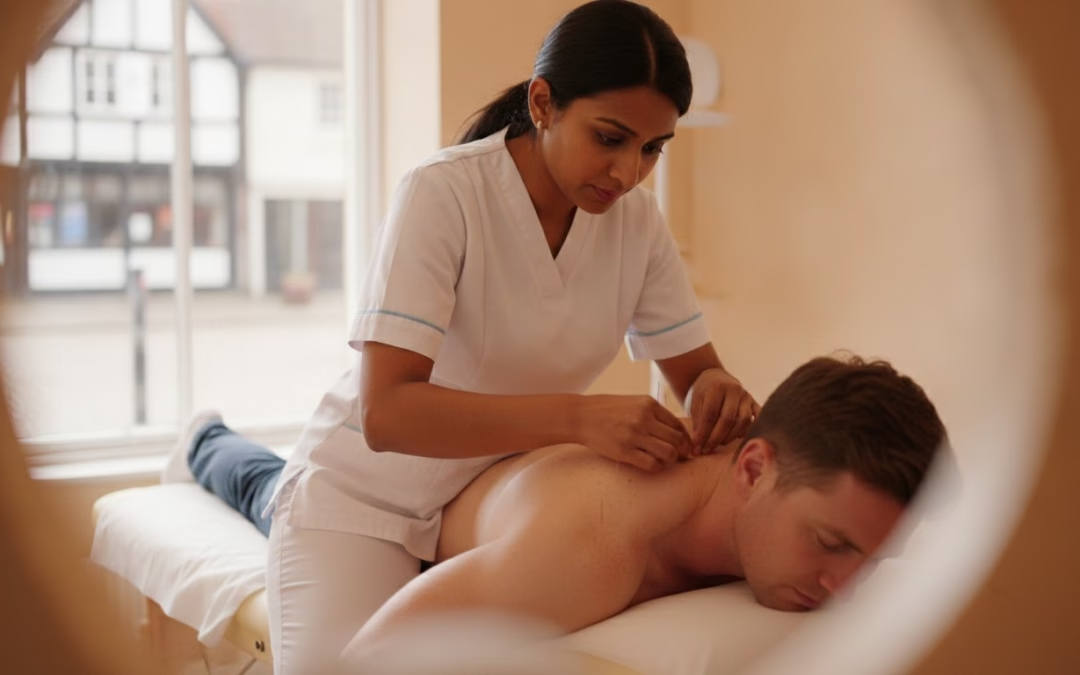
Have you ever felt a nagging knot in your shoulder that seems completely out of reach, no matter how much you stretch or rub the area? You’re likely tired of that persistent ache that limits your movement and makes simple daily tasks feel like a chore. It’s frustrating when a standard massage provides temporary comfort but fails to hit the exact spot where your tension truly lives, which is why many people are now seeking dry needling for muscle pain.
By targeting specific trigger points, this technique reaches the root cause of myofascial discomfort that other therapies might miss. In this guide, we’ll explain how this precise, drug-free method works at our Billericay centre to release deep-seated tension and restore your natural mobility. You’ll learn the key differences between this approach and acupuncture, whilst discovering how an integrated plan featuring clinical massage can provide the long-term relief you deserve. We’ll also walk you through the treatment process so you can feel confident and informed about your path to wellness.
Key Takeaways
- Learn how to identify hyper-irritable trigger points and why dry needling for muscle pain is a precise clinical tool for releasing deep-seated tension.
- Understand the science behind the “local twitch response” and how it signals that your contracted muscle spindles are beginning to relax and reset.
- Gain clarity on the differences between traditional acupuncture and anatomical dry needling to help you choose the most effective path for your recovery.
- Discover why combining clinical massage with a chiropractic adjustment helps address both persistent muscle knots and underlying vertebral subluxations.
- Find out what to expect during a musculoskeletal assessment at our Billericay centre and how a clinical recovery guide supports your long-term mobility.
Understanding Dry Needling for Muscle Pain and Trigger Points
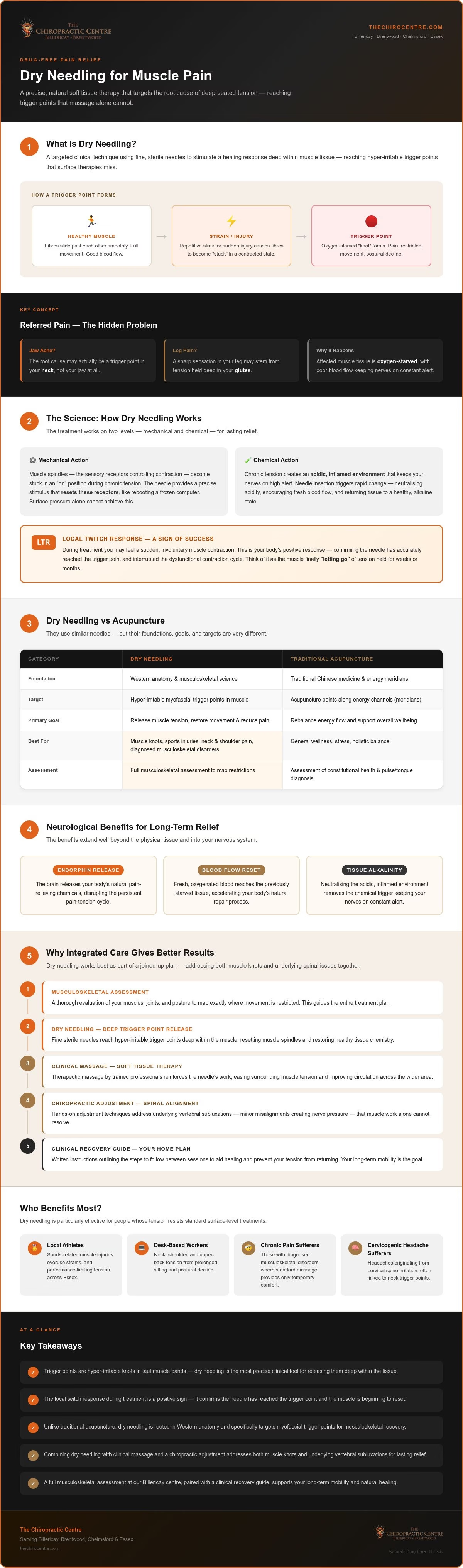
Dry needling is a targeted clinical technique designed to address myofascial trigger points by using fine, sterile needles to stimulate a healing response within the muscle tissue. When you experience persistent tension, it’s often because specific areas have become hyper-irritable spots within a taut band of muscle. These spots, commonly known as trigger points, cause significant discomfort and can severely restrict your movement. Using dry needling for muscle pain allows us to reach these deep-seated issues that often resist traditional surface-level treatments.
One of the most complex aspects of these points is referred pain, where a knot in one area sends a signal of distress to another part of your body. You might feel a dull ache in your jaw that actually stems from your neck, or a sharp sensation in your leg caused by tension in your glutes. This happens because the affected muscle tissue is oxygen-starved and lacks proper blood flow. By introducing a needle, we encourage the muscle to “reset,” allowing fresh, oxygenated blood to circulate and begin the natural repair process.
What exactly is a Myofascial Trigger Point?
Think of your muscle fibres like many tiny elastic bands. Normally, they slide past each other smoothly. However, due to repetitive strain or sudden injury, some of these fibres can become “stuck” in a permanently contracted state. This creates the physical sensation of a “knot” that you can often feel under your skin. These knots don’t just hurt; they actively limit your natural range of motion. If you leave these points untreated, your body will try to compensate for the stiffness, often leading to a gradual postural decline that affects your entire spine.
The Role of Dry Needling in Modern Soft Tissue Therapy
Whilst massage therapy is excellent for general relaxation, a needle acts as a precision tool that can reach depths your therapist’s fingers simply cannot. It’s why dry needling for muscle pain is a favourite choice for local athletes and desk-based workers in Brentwood who need efficient, targeted results. This approach is entirely natural and drug-free, focusing on your body’s inherent ability to heal itself. At The Chiropractic Centre, we use this technique alongside a detailed musculoskeletal assessment to identify precisely where your movement is restricted. By resolving these deep tensions, we help you return to your favourite activities without the heavy reliance on temporary fixes.
The Science of Soft Tissue Therapy: How Dry Needling Works
To understand why dry needling for muscle pain is so effective, we have to look at the muscle spindles. These are the sensory receptors that tell your muscles how much to contract. When you have a chronic knot, these spindles are essentially stuck in an “on” position. The mechanical action of the needle provides a precise stimulus that forces these receptors to reset, much like rebooting a computer that has frozen. This physical interaction is something that surface-level pressure often cannot achieve.
This process isn’t just mechanical; it’s chemical too. In an area of chronic tension, the tissue becomes acidic and filled with inflammatory markers that keep your nerves on high alert. The insertion of a needle triggers a rapid change in this local environment. By neutralising the acidity and encouraging the flow of fresh blood, we help the tissue return to a healthy, alkaline state. This shift is a core reason why so many of our visitors in Billericay report a feeling of “lightness” following their session. If you’re feeling weighed down by tension, you can book a consultation to see how this approach fits your needs.
The Local Twitch Response: A Sign of Success
During your treatment, you might feel a sudden, involuntary contraction known as a local twitch response. Whilst this sensation can feel unusual or surprising, it’s actually a very positive sign. It indicates that the needle has accurately reached the trigger point and is successfully interrupting the dysfunctional contraction cycle. Think of it as the muscle finally “letting go” of the tension it has been holding for weeks or even months. This response is a vital step in restoring the muscle to its natural, relaxed state.
Neurological Benefits for Long-Term Pain Management
The benefits of dry needling for muscle pain extend beyond the physical tissue and into your nervous system. The treatment stimulates the brain to release endorphins, which are your body’s natural pain-relieving chemicals. This helps disrupt the frustrating “pain-spasm-pain” cycle, where your pain causes more muscle tension, which then leads to even more pain. Breaking this cycle often leads to improved sleep and a sense of renewed internal vitality as your body stops fighting constant signals of distress. By calming the nervous system, we create a foundation for lasting recovery rather than just a temporary fix.
Dry Needling vs Acupuncture: Choosing the Right Path for Recovery
Whilst the sight of a thin needle might lead you to think of acupuncture, the two practices are distinct in their goals and methods. Dry needling for muscle pain is a Western, evidence-based intervention rooted in modern anatomy rather than ancient energy systems. Understanding these differences helps you make an informed choice about which path will most effectively restore your movement and comfort. Both techniques have their merits, but their clinical intent is entirely different.
Acupuncture is a key part of Traditional Chinese Medicine, focusing on the flow of “Qi” or life energy along specific meridians to treat systemic health issues and internal imbalances. In contrast, dry needling is a targeted intervention for physical muscle dysfunction. At The Chiropractic Centre, we focus entirely on the clinical, anatomical approach. Instead of following energy maps, we identify the exact muscle spindles and trigger points that are causing your restriction. This means the needle is used as a precise tool to interact with your physical anatomy, providing relief exactly where the dysfunction exists.
Traditional Philosophy vs Clinical Anatomy
The philosophical divide between these two treatments is significant. Acupuncture practitioners often look at the body’s overall balance, aiming to treat everything from digestive issues to emotional stress by balancing energy. Dry needling for muscle pain is far more specific to the musculoskeletal system. It is based on a musculoskeletal assessment of your specific pain points. We look for tangible, physical signs of distress in the tissue, such as taut bands and hyper-irritable knots, and use the needle to stimulate a local healing response in those exact spots.
Which Therapy is Right for You?
Choosing between these therapies depends on the nature of your discomfort. Dry needling is often the preferred choice for diagnosed musculoskeletal disorders because it addresses the physical structure of the muscle directly. It is a highly effective option if you are dealing with local muscle knots that haven’t responded to other soft tissue therapy. You might consider this approach if you experience:
- Persistent tension in the neck or upper back that causes headaches.
- Limited mobility in your joints during daily activities or exercise.
- Recurring sports injuries that hinder your performance in Brentwood or Billericay.
- Chronic pain that feels deeply “locked” within the muscle tissue.
To help you decide on the best path forward, we recommend a free spinal health check. This examination allows us to look at your body as a whole, identifying whether your muscle pain is a standalone issue or linked to your spinal alignment. Whilst both acupuncture and dry needling can be part of a holistic approach to wellbeing, our focus is on providing the clinical precision needed to get you moving freely again.
Your Clinical Recovery Guide: What to Expect During and After Treatment
Entering our Billericay centre marks the start of a partnership focused on your long-term wellness. We believe that effective care begins with a conversation; we don’t just treat symptoms, we listen to your story. Our Essex facilities are designed to provide a calm, welcoming space where you can focus entirely on your recovery. When you visit us for dry needling for muscle pain, you’re choosing a methodical approach that prioritises your comfort and safety at every step. This patient-centred focus ensures that you feel supported from your very first appointment.
Success depends on precision. That’s why we always begin with a detailed musculoskeletal assessment to identify the exact source of your restriction. By the time we begin the treatment, you’ll have a clear understanding of why your muscles have been holding onto tension. If you’re ready to take that first step, you can book your new patient consultation to begin your clinical roadmap to relief.
The Consultation and Treatment Process
A professional assessment is vital before any needles are used. We evaluate your posture, joint mobility, and muscle function to ensure that dry needling is the right choice for you. During the session, our practitioners work with a steady, gentle hand. Many of our patients describe the initial insertion as a minor pinch, followed by a sensation of deep pressure as the needle reaches the trigger point. We often combine this technique with a chiropractic adjustment or clinical massage to address both the muscle tension and any underlying vertebral subluxations that might be contributing to your discomfort. This integrated method helps restore proper motion and reduces the likelihood of the pain returning.
Post-Treatment Care: The First 48 Hours
To get the best results from dry needling for muscle pain, your actions after the session are just as important as the treatment itself. We provide a clinical recovery guide to help you manage the healing process. Following these steps helps your body process the changes and minimises any temporary soreness:
- Hydration: Drink plenty of water throughout the first 24 hours. This supports your lymphatic system in flushing out the metabolic waste released from the muscle tissue.
- Rest from Intensity: Avoid intensive exercise or heavy lifting for the remainder of the day. Give your nervous system time to settle and integrate the treatment.
- Gentle Movement: Whilst heavy strain is discouraged, light movement like a short walk is beneficial. It keeps the blood circulating and prevents the muscle from stiffening up again.
- Heat Therapy: If you feel some tenderness, applying gentle heat can be very soothing. It encourages further relaxation and helps manage any minor post-treatment ache.
Most patients notice a significant improvement in their range of motion within 24 to 48 hours. By following this simple plan, you help ensure that the relief you feel is deep and lasting. This structured approach allows The Chiropractic Centre to support your journey back to full vitality.
Targeted Relief in Billericay: Why Integrated Care Matters
Muscle pain often acts as a protective signal rather than a standalone issue. When you experience persistent tension, it’s frequently your body’s attempt to stabilise a joint affected by vertebral subluxations. These minor misalignments can create nerve pressure, causing the surrounding muscles to tighten in a defensive response. Using dry needling for muscle pain is highly effective for releasing those taut bands, but for long-term wellness, we must also address the underlying structural cause. By looking at the relationship between your spine and your soft tissues, we provide a more complete path to recovery.
Our approach at The Chiropractic Centre is rooted in the belief that your body functions as a single, interconnected system. We don’t just aim for a temporary reduction in symptoms; we work to restore your internal vitality. This means moving beyond the “knot” to understand why it formed in the first place. Whether you’re visiting us from Brentwood or Chelmsford, our goal is to partner with you in a process that promotes natural healing and prevents the return of chronic discomfort.
The Synergy of Needling and Chiropractic Adjustments
If we think of your body like a vehicle, the muscles are the engine and the spine is the chassis. You can’t expect the engine to run smoothly if the chassis is out of alignment. By combining dry needling with a chiropractic adjustment, we treat the whole person. The needle releases the “stuck” muscle fibres, whilst the adjustment restores proper motion to the vertebrae. This dual approach is vital for preventing the return of postural decline and ensuring your nervous system can communicate clearly with the rest of your body. If you’re curious about the process, you can read our guide on what a chiropractic adjustment feels like to understand the gentle sensations of spinal care.
Start Your Recovery at The Chiropractic Centre
Longevity in health comes from a holistic approach that supports your body through every stage of healing. Beyond the immediate release provided by needling, our massage therapy Billericay services play a crucial supportive role. Clinical massage helps maintain the flexibility gained during your sessions, ensuring that your soft tissues remain supple and responsive. We’re committed to providing natural, drug-free healing for the whole community, from busy parents in Basildon to active residents in Wickford and Stock.
You don’t have to accept persistent aches as a normal part of your life. Whether you’re seeking dry needling for muscle pain or a detailed musculoskeletal assessment, our team is here to listen and help you regain your natural mobility. We invite you to book a consultation at our Billericay centre today to begin your journey toward lasting comfort and wellness.
Restore Your Vitality and Move Without Restriction
Choosing the right path for recovery means looking beyond the surface of your discomfort. You’ve discovered how dry needling for muscle pain offers a precise way to release stubborn trigger points whilst supporting your body’s natural healing processes. By combining this technique with an integrated clinical approach, we don’t just treat the knot; we address the underlying structural balance of your spine and nervous system to ensure lasting relief.
At The Chiropractic Centre, we’ve spent over 10 years serving our local community as trusted experts. Our calm and welcoming environment in the heart of Billericay is designed to make you feel at ease from the moment you walk through our doors. Whether you’re struggling with persistent tension or simply want to improve your daily range of motion, we’re here to act as your partner in health.
Your journey to feeling better starts with a clear understanding of your unique musculoskeletal needs. We invite you to book your musculoskeletal assessment at The Chiropractic Centre today. We look forward to helping you rediscover the joy of moving freely and living well.
Frequently Asked Questions
Does dry needling for muscle pain hurt?
Most people feel a small pinch during insertion, followed by a sensation of deep pressure or a dull ache. It isn’t usually described as painful, but you might experience a local twitch response, which is an involuntary contraction. This sensation is a positive sign that the trigger point is releasing. Our practitioners in Billericay ensure your comfort throughout, adjusting the technique to suit your specific sensitivity levels and treatment goals.
How many sessions of dry needling will I need for chronic pain?
The number of sessions depends on the duration and severity of your condition. Whilst some patients feel relief after just one or two visits, chronic issues often require four to six sessions for lasting results. We typically combine dry needling for muscle pain with chiropractic adjustments to address the root cause. During your assessment, we’ll create a personalised plan that outlines exactly what you need for a full and sustainable clinical recovery.
Is dry needling the same as acupuncture?
No, they are distinct practices with different clinical goals. Acupuncture follows traditional Chinese medicine to balance energy flow, or “Qi,” across the body. Dry needling is a Western, anatomical approach that targets specific trigger points to resolve physical dysfunction. At our centre, we use it as a precision tool for soft tissue therapy, focusing on the musculoskeletal system to restore your natural range of motion and reduce persistent muscle stiffness.
Can dry needling help with sciatica and leg pain?
Yes, it’s often used to treat the muscular components of sciatica. When the piriformis or other gluteal muscles become tight, they can compress the sciatic nerve, causing sharp pain down the leg. By releasing these deep-seated knots, we can reduce pressure on the nerve and alleviate discomfort. For residents in Brentwood or Chelmsford, we find that combining this with spinal manipulation provides the most effective relief for nerve-related leg pain.
What are the most common side effects of dry needling?
Most side effects are mild and temporary, usually lasting only 24 to 48 hours. You might experience some muscle soreness, similar to the feeling after a workout, or minor bruising at the needle site. Some patients feel slightly tired immediately after the session. We provide a clinical recovery guide to help you manage these sensations, recommending hydration and gentle movement to support your body as the treated muscles begin to naturally heal.
Is dry needling safe during pregnancy?
It’s generally considered safe when performed by a professional, but we always take extra precautions. We avoid certain trigger points, particularly around the lower back and abdomen, depending on your stage of pregnancy. Many expectant mothers in Billericay find it helpful for managing pregnancy-related pelvic or shoulder tension. We’ll always discuss your medical history during a consultation to ensure that any soft tissue therapy is appropriate for both you and your baby.
Can I go back to work immediately after a dry needling session?
Yes, most people return to their normal daily activities right away. You might feel a slight heaviness in the treated area, but it shouldn’t prevent you from working or driving. If your job involves heavy lifting or repetitive strain, we might suggest a lighter workload for the remainder of the day. Staying mobile is actually beneficial, as light movement helps keep the blood circulating and prevents the muscle from stiffening up after treatment.
How long does the relief from dry needling typically last?
The duration of relief varies based on your lifestyle and the underlying cause of tension. Initial relief from dry needling for muscle pain often lasts for several days, but we aim to create permanent change in the tissue. By integrating needling with chiropractic care and clinical massage, we help you maintain these gains long-term. This holistic approach prevents postural decline and ensures that the tension doesn’t simply return when you’re back at work.