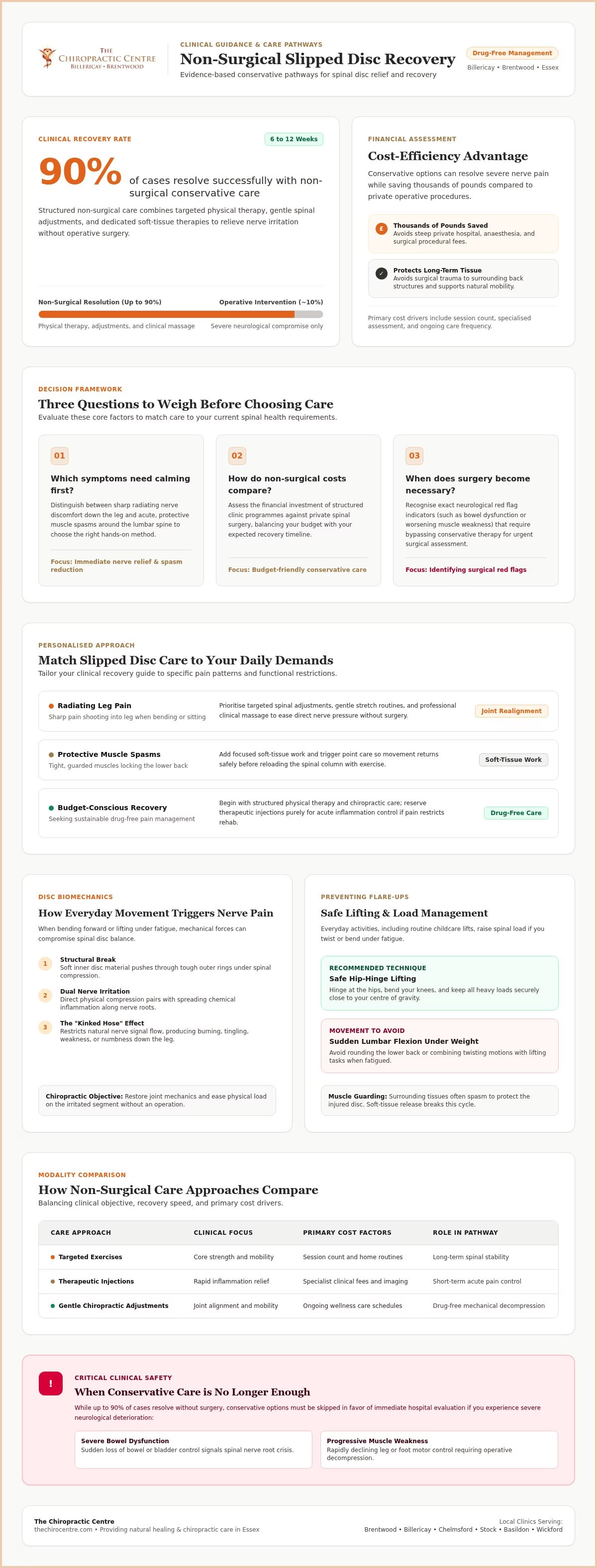
Non-surgical treatment for herniated disc care can support recovery rates of up to 90% within six to twelve weeks without invasive spinal surgery. Conservative options such as targeted physical therapy and epidural injections can resolve severe nerve pain while saving thousands of pounds compared to private operative procedures. Before you choose a path, weigh three decision questions: which symptoms you need to calm first, how non-surgical costs compare with surgery, and when operative care truly becomes necessary. You can book a consultation with our experienced team to discuss a personalised care plan for your back health.
Key Takeaways: Non-surgical treatment for herniated disc options resolve up to 90% of cases within twelve weeks by combining physical therapy, spinal adjustments, and targeted injections.
- Conservative care achieves 90% recovery rates within six to twelve weeks for most patients.
- Skip it when you experience severe bowel dysfunction or progressive muscle weakness requiring surgery.
- Prioritize structured physical therapy for long-term stability and injections only for acute inflammation control.
- The article’s cost comparison shows non-invasive paths save thousands of pounds versus private surgery.
Match slipped disc care to your symptoms, budget and daily demands
Relief from a slipped disc (herniated disc) starts with a plan built around your symptoms and lifestyle, not a one-size protocol. Use these common situations as a quick guide drawn from the options discussed in this article:
- Sharp pain shooting into the leg when you bend or sit: prioritise targeted spinal adjustments, gentle stretch routines and professional massage to ease nerve pressure without surgery.
- Tight, protective muscle spasm around the lower back: add focused soft-tissue work so movement returns before you load the spine harder.
- Need for a drug-free route that still respects your budget: begin with structured physical therapy and chiropractic care; reserve injections for short-term inflammation control if pain blocks rehab.
Targeted spinal adjustments, dedicated gentle stretch routines and professional massage therapy help relieve pressure on your nerves without invasive surgery. Choosing drug-free care lets your body heal while you protect long-term mobility, as gentle physical therapies realign the back and reduce sharp radiating leg pain. You can read more about sciatica treatment and how irritated nerves respond to conservative care.
Our local clinic provides friendly, personalised support for residents across Billericay and Brentwood. Schedule an appointment with The Chiropractic Centre to map the option that fits your symptoms and routine.
Why disc structure turns everyday movement into nerve pain
The soft inner disc material can push through the tougher outer rings and press on nearby nerves when you bend forward to tie your shoes. During a slipped disc, that structural break places direct pressure on sensitive spinal nerves and can trigger sharp lower back discomfort plus referred leg symptoms.
When a disc bulge (nerve root compression) worsens, inflammation spreads along the nerve pathways down your leg. Physical pressure combines with chemical irritation, so you may feel burning, tingling or numbness during ordinary movement. Chiropractic care aims to improve joint mechanics and ease load on the irritated segment, which many patients use as a drug-free way to reduce pressure without an operation.
Muscles around the spine often spasm to guard damaged tissue. Gentle trigger point care targets those tight areas, easing muscle tension while you rebuild comfortable mobility. Soft spinal manipulation paired with massage keeps the emphasis on conservative, drug-free recovery.
Our team provides drug-free solutions for your healing journey in Billericay, Brentwood and surrounding Essex areas. Reserve a time with The Chiropractic Centre staff when you want a clear assessment of how disc pressure is affecting your movement.
Spot bulging disc symptoms before they limit your day
A disc bulge can cause sharp back pain, leg tingling, muscle weakness or localised numbness. Many people describe the pattern as restricted “flow” through the nerve, similar to a kinked garden hose, once pressure builds on the root.
Small daily movements, including routine childcare lifts, can quietly raise spinal load if you twist or bend under fatigue. Safe hip-hinge lifting, keeping the load close to your body and avoiding sudden flexion under weight, reduces that extra pressure while you seek assessment. You can read more about parenting guide archives.
Gentle spinal adjustment and targeted massage therapy offer drug-free routes to restore mobility by addressing joint restriction and muscle guarding together. Practitioners at The Chiropractic Centre focus on gentle, holistic care for residents in Billericay and Brentwood. Book a consultation with our local clinic team when symptoms begin to shape how you move through the day.
How non-surgical therapy costs and success rates compare
Non-invasive options for a slipped disc differ in speed of relief, session demand and how they fit your budget. Initial physical therapy builds long-term core stability, while advanced spinal decompression or corticosteroid injections can interrupt intense pain more quickly so you can start active rehab. Primary cost drivers include session frequency, specialised equipment and follow-up appointments. Request a personalised quote so you know the financial commitment for your plan.
| Care Approach | Clinical Focus | Primary Cost Factors |
|---|---|---|
| Targeted Exercises | Core strength and mobility | Session count and home routines |
| Therapeutic Injections | Rapid inflammation relief | Specialist clinical fees and imaging |
| Gentle Chiropractic Adjustments | Joint alignment and mobility | Ongoing wellness care schedules |
Treating a disc bulge without surgery protects surrounding tissue and avoids operative risk. Structured non-surgical routines show how progressive exercise and manual care can ease pain while you stay active.
Targeted adjustment techniques work on joint balance so you can move with less guarding. Structured physical therapy suits you if you want sustained functional gains; therapeutic injections suit you if you need a short pain window before rehab. Compare those paths against private surgery, which often runs to thousands of pounds more, while conservative care still aligns with recovery rates of up to 90% within six to twelve weeks for many disc cases.
Arrange a visit when you want costs, timelines and clinical focus set out side by side for your symptoms.
5 Steps that keep disc pain manageable with conservative care
Conservative management gives you a drug-free route to recover from a slipped disc without surgery. Follow this sequence so each step supports the next:
- Rest briefly: Avoid strenuous activities for a few days to reduce acute discomfort.
- Apply temperature therapy: Use ice packs initially, then switch to heating pads to relax muscles around the irritated spinal segment.
- Gentle movement: Begin light walking to promote blood circulation and prevent stiffness. The WHO 2023 guidelines recommend non-pharmacological care such as spinal manipulation for managing spinal health issues.
- Professional assessment: Schedule a consultation at The Chiropractic Centre for spinal care.
- Targeted therapies: Receive tailored adjustments and massage therapy to ease nerve pressure.
Short rest calms the flare; temperature change and walking reintroduce motion; assessment then matches adjustments and massage to the level where the disc is stressing the nerve. That order keeps you progressive rather than stuck between full rest and overload.
This non-invasive route supports long-term spinal health when you want to avoid operative care. Book a consultation with us to put the five steps into a plan you can follow week by week.
Side effects you should weigh before injections and pain drugs
Spinal injections and pain medications carry physiological risks you should review before you rely on them. Strong pharmaceuticals often cause stomach issues, dizziness or liver strain. Epidural steroid injections add further concerns, including infection, temporary blood sugar spikes and severe nerve damage.
Heavy reliance on chemical intervention can blunt pain signals without repairing the structural problem driving them. Our clinical team favours non-surgical, drug-free care because it works on physical causes: gentle adjustment techniques reduce load around a slipped disc, and massage therapy restores movement without synthetic chemicals.
Medication may change how you perceive pain for a short spell, whereas spinal care aims at lasting mechanical recovery and healthier alignment. For residents seeking whole-body solutions in Billericay, Brentwood and surrounding Essex areas, non-invasive methods offer a clear alternative to operative procedures. You deserve a path toward lasting mobility that honours your body’s capacity to heal. Book a consultation with The Chiropractic Centre when you want that comparison explained against your own history.
When conservative care is no longer enough
Surgical intervention becomes necessary when progressive neurological deficits or unbearable pain persist despite consistent non-surgical treatment for a slipped disc.
Conservative management still remains the first path for most spinal issues: targeted spinal adjustment and tailored massage therapy work to restore comfortable movement and reduce nerve irritation. Non-surgical care is closer to repairing a worn component; surgery replaces a larger structural unit and brings a heavier recovery load.
Surgical options fit patients who develop severe bowel dysfunction, progressive muscle weakness or unrelenting nerve root compression that blocks daily activity. The Chiropractic Centre supports residents across Billericay, Brentwood and surrounding Essex areas through each stage of that decision.
If progress stalls, a specialist consultation clarifies whether untried conservative avenues remain or whether operative care is the safer next step. Gentle care stays preferred whenever it is still clinically appropriate. Reach out for a thorough review before you treat surgery as your only remaining choice.
Frequently asked questions
Which treatment is best for me?
Your ideal care plan depends on your specific symptoms, health history and individual physical needs. A tailored approach combining spinal adjustment and targeted massage therapy offers a natural, drug-free path toward long-term recovery.
What medications can relieve the symptoms?
Over-the-counter painkillers and anti-inflammatory drugs often ease mild discomfort, while stronger prescriptions target acute, severe nerve pain. These pharmaceutical options mainly mask pain temporarily rather than correcting underlying spinal issues.
What do physical therapy and occupational therapy involve?
Physical therapy focuses on targeted exercises to strengthen core muscles supporting your back. Occupational therapy teaches practical techniques to modify daily activities, protecting your spine during routine movements at home or work.
Do injections near the spine help?
Corticosteroid injections can briefly reduce inflammation and alleviate sharp nerve pain around a slipped disc. They provide temporary symptom relief but do not permanently repair the damaged structural tissue.
How is a herniated disc diagnosed?
A professional diagnosis begins with a thorough physical examination alongside detailed neurological tests. Magnetic resonance imaging scans provide precise pictures to confirm nerve root compression (disc bulge) in your spine.
Recovery pathways in 2026
Your opening questions still guide the finish: match care to symptoms, understand cost versus benefit, and reserve surgery for clear neurological red flags. Non-surgical treatment for a herniated disc focuses on gentle healing, with physical adjustment techniques restoring movement without invasive surgery and with each plan matched to your daily routine.
Addressing a slipped disc early protects long-term mobility. Holistic spinal therapies emphasise lasting relief through drug-free methods, aligned with recovery rates of up to 90% within six to twelve weeks for many people who stay consistent with conservative care.
Advisers at The Chiropractic Centre help you explore tailored options before you consider surgery. Book an appointment today to create your personalised recovery plan in Billericay, Brentwood and surrounding Essex areas, or contact the team for a personal consultation.