

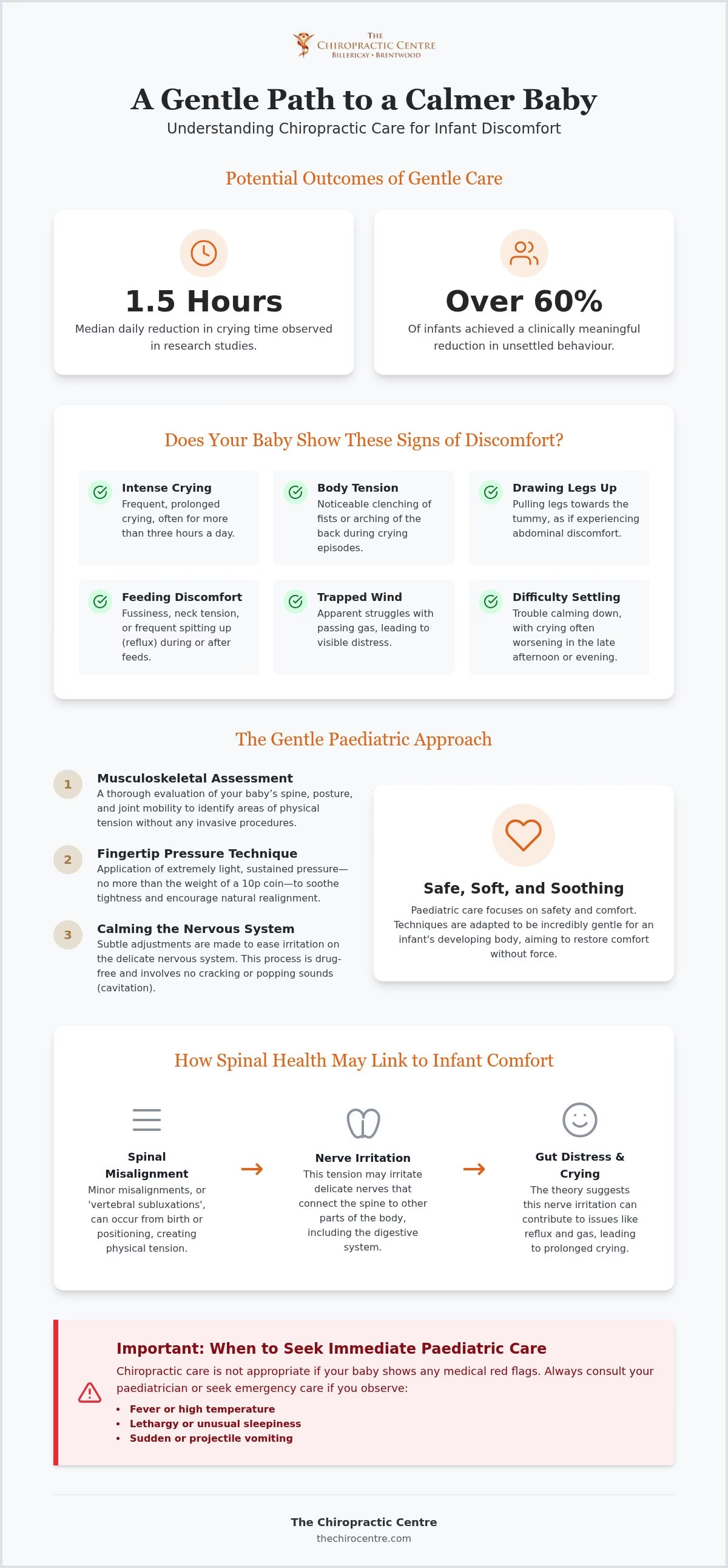
TL;DR: Gentle fingertip pressure adjustments can reduce infant crying time by a median of 1.5 hours daily without using drugs or forceful cracking techniques.
- Research indicates over 60% of infants achieve clinically meaningful crying reduction after tailored care.
- Except when medical red flags like fever, lethargy, or sudden vomiting require emergency pediatric care.
- Best for parents seeking non-invasive relief for babies showing back-arching or feeding-related neck tension.
- The calculation in the article shows that sessions involve only light touch without cavitation.
Research indicates gentle touch (fingertip pressure technique) adjustments may reduce crying time (infantile colic) in babies. You should carefully evaluate safety and costs before committing your child to a new care plan. Initial physical exam (musculoskeletal assessment) appointments typically range around standard market rates.
Match your newborn’s colic pattern to a gentle relief path
Finding the right support for excessive crying time requires comparing gentle, drug-free methods. Parents often feel overwhelmed by healthcare choices, so pairing the situation in front of you with one concrete next step keeps decisions grounded.
Three patterns show up often in clinic:
- Crying past three hours with fist-clenching and back-arching: book a physical exam first so joint restriction is checked before you add further medication.
- Feeding discomfort with spitting up (reflux) and legs drawn up: after medical causes are cleared, ask for gentle touch aimed at neck and spinal tension.
- You want non-invasive help close to home routines: consult a Chiropractor Billericay & Brentwood for fingertip-pressure care while your pediatrician rules out illness.
A physical exam helps evaluate your baby’s comfort needs. Pediatric chiropractic suits parents seeking non-invasive options, while pediatricians address underlying medical conditions. Book a consultation when you want a clear read on whether gentle spinal care fits your newborn.
Spot infant colic symptoms before they exhaust your household
Infant colic means frequent, intense crying in a healthy baby for over three hours daily. According to Wikipedia’s 2026 entry on baby colic, this excessive crying time usually affects infants during their first few months. You might notice your little one clenching their fists or arching their back. Often, babies also draw their legs up while spitting up (reflux) or struggling with trapped gas.
From client work, distressed infants respond well to early gentle touch. This delicate approach helps calm the nervous system. For local families seeking dedicated support, our Paediatric Chiropractor for Colic in Wickford: A Gentle care guide is a practical resource. Addressing early physical tensions promotes comfort without drugs, which helps your household recover restful days.
Gentle spinal care can shorten daily crying in colicky infants
Gentle spinal adjustments reduce crying time by soothing irritation in your baby’s nervous system.
Exhausted parents in Billericay often notice positive changes after just a few sessions. Situation: a baby who cries through feeds with visible neck tightness. Solution: treating a misaligned spine (vertebral subluxations) with gentle touch eases physical tension without cracking or popping (cavitation). Numeric result: families describe shorter distressed periods, consistent with the study figures in the FAQ (median 1.5 hours less daily crying; over 60% reaching a clinically meaningful drop).
Minor neck tension frequently creates discomfort while a baby feeds. Releasing these tight spots eases digestive discomfort without any cracking or popping.
According to the WHO 2023 guidelines on maternal and newborn care, supporting natural posture helps early development. You can explore more options in our baby colic Archives.
A thorough physical exam checks if your baby has a pinched nerve (nerve root compression). Easing this pressure can stop frequent spitting up (reflux). Choosing holistic care (multidisciplinary approach) supports longer-term comfort once acute medical issues are excluded.
Spinal alignment theories link nerve irritation to infant gut distress
A misaligned spine may irritate delicate nerves, triggering gastrointestinal distress and prolonged crying time.
In clinical practice, gentle pressure often helps ease physical tension. A subtle joint restriction can stress an infant’s nervous system.
Proponents suggest restoring spinal balance relieves nerve root compression. This gentle approach promotes relaxed digestion. Many parents explore our baby chiropractor Archives to discover how non-drug care supports infant wellness.
Combining precise physical assessments with holistic care addresses root causes safely. Gentle adjustments use only light touch to test tissue response; they never involve force. No cracking or popping occurs during infant sessions.
Soothing nerve pathways calms your baby. Parents in Essex often notice improved sleep once feeding-related tension drops. Drug-free methods can deliver measurable short-term relief for many families.
Pediatric sessions rely on fingertip pressure without cracking
A gentle physical exam helps us check your infant for any misaligned spine. In our Billericay clinic, we observe how your child rests and moves before starting care.
Here is what happens during a visit:
- Detailed check: We review your baby’s history and assess spinal joint mobility.
- Soft pressure: The practitioner uses a gentle touch to soothe tightness.
- Targeted care: We make subtle adjustments without any cracking or popping.
- Relaxing finish: Soft movement calms the nervous system to ease crying time.
Every movement remains painless. This routine reduces tension linked to a pinched nerve or spitting up (reflux), and parents often see their baby settle during the visit itself. Request an appointment when you want this sequence walked through for your child.
Chiropractic care versus drops and diet changes for colic
Chiropractic care offers a natural, drug-free alternative to typical drops or infant medication for soothing excessive crying time.
Physical stress on a baby’s spine during birth can induce pain that drugs merely hide instead of fix. A trained baby chiropractor applies a subtle gentle touch without any harsh cracking or popping to reduce nerve pressure.
| Treatment Option | Primary Approach | Potential Side Effects |
|---|---|---|
| Chiropractic Care | Gentle manual adjustments | Mild, temporary fatigue |
| Medicated Drops | Chemical digestion support | Constipation, upset stomach |
| Dietary Changes | Formula switching or mother’s diet edit | Delayed response, nutritional gaps |
This non-invasive option fits parents who seek a gentle, whole-body path over pharmaceuticals. Schedule a visit to compare soft, supportive options for your baby.
Avoid infant chiropractic when medical red flags appear
You must avoid chiropractic care if your baby shows red flag medical symptoms like fever, lethargy, or sudden severe vomiting.
Medical emergencies require immediate pediatric attention rather than manual therapy. In our practice, many mothers and fathers ask for fast solutions to prolonged crying, though physical misalignments are not consistently the underlying reason. A gentle touch is appropriate only after urgent medical issues are ruled out; for parents seeking a private medical assessment, you can visit GP Plus for expert guidance.
Never seek spinal care for unhealed fractures, active infections, or sudden neurological changes. If you notice these urgent signs, seek emergency care immediately. For routine concerns, parents in Billericay and Brentwood can arrange a consultation once acute illness is excluded. Choose direct medical treatment for acute illness; gentle therapy fits stable babies.
Unclear long-term data means you weigh comfort against unknown risks
Clinical research currently lacks clear evidence showing that infant spinal adjustments provide lasting health benefits. In my practice, I observe how anxious parents search for lasting relief from prolonged crying time. However, long-term clinical data on pediatric care remains limited.
No high-quality trials track babies into childhood after gentle touch treatments. While many families report short-term comfort, subtle risks or delayed effects are still understudied. Immediate settling after a session does not prove later developmental gains.
Parents must balance immediate comfort against these unknown long-term outcomes when choosing infant care.
Plan session count against typical market treatment costs
Most infants require a customized care plan involving gentle touch adjustments across several weekly visits to ease crying time. Our clinical experience demonstrates that initial progress frequently occurs after just a handful of visits. Babies respond quickly because their nervous systems are adaptable. Total financial investment depends on care duration and your private insurance policy coverage.
Families in Billericay and Brentwood usually schedule an initial physical exam before starting treatment. You can choose pay-as-you-go visits for flexible tracking or bundled packages for structured care.
Our team provides transparent quotes tailored to your family. Ask for a written quote before you commit to a package.
Frequently asked questions
Does chiropractic care reduce crying time in infants with colic?
Gentle care can reduce crying time in babies. A clinical study from the Journal of Manipulative and Physiological Therapeutics showed parents reported fewer daily distressed hours. Practitioners apply light fingertip pressure technique (gentle touch) to restore comfort.
What was the magnitude of crying reduction observed?
Parents observed a median reduction of 1.5 hours in daily crying time. This decrease occurred after tailored care.
Is the reduction statistically significant after adjustment?
The reduction in crying time remains statistically significant after accounting for baseline differences. Research data confirms these improvements are meaningful.
What proportion of infants achieved a clinically meaningful reduction?
Over 60% of babies experienced a noticeable drop in daily crying time.
What are the benefits of chiropractic care for babies with colic?
Gentle care addresses misaligned spine to help soothe uncomfortable babies. Removing this underlying tension supports healthy sleep and digestion. You can book a consultation to explore drug-free support.
Finding Support for Your Infant in 2026
Addressing severe crying time returns to the same decisions you met at the start: is the method gentle enough, is it safe for your child right now, and do the session costs fit your budget.
From client work we see that subtle strain often responds well to light fingertip pressure technique. A brief physical exam helps identify any underlying tension safely.
Our team provides drug-free support for families in Billericay, Brentwood and surrounding Essex areas. Reach out to The Chiropractic Centre to discuss your infant’s needs or reserve a consultation slot.